Agriculture
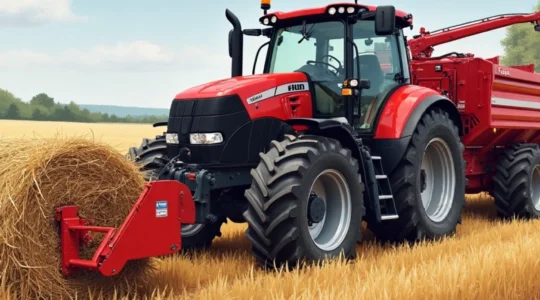
Straw blower selection: long straw vs short straw – what works best?
Selecting the right straw blower for your agricultural needs can significantly impact operational efficiency and cost-effectiveness. The debate between long straw and short straw blowing has been a topic of interest for farmers and agricultural professionals alike. Understanding the nuances…
Lire la suite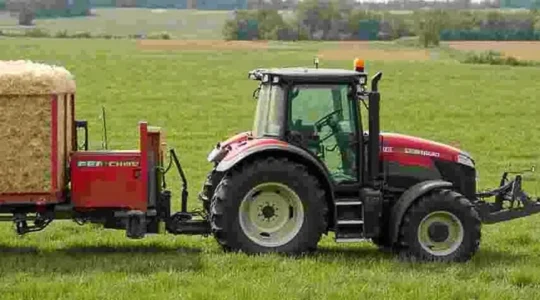
How to select the ideal silage defacer for your feeding needs?
Selecting the right silage defacer is crucial for maintaining feed quality, reducing waste, and optimising labour efficiency on your farm. As silage management continues to evolve, choosing the appropriate defacing equipment can significantly impact your operation’s productivity and profitability. This…
Lire la suite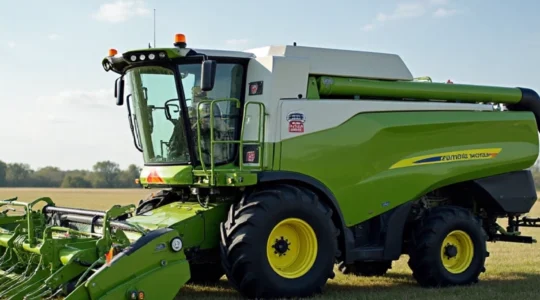
Which mixer feeder bucket should you choose for dry food, maize and grass silage?
Selecting the right mixer feeder bucket is crucial for efficient livestock nutrition management. As feed costs continue to rise and the demand for precision feeding grows, farmers need to make informed decisions about their feeding equipment. The ideal mixer feeder…
Lire la suite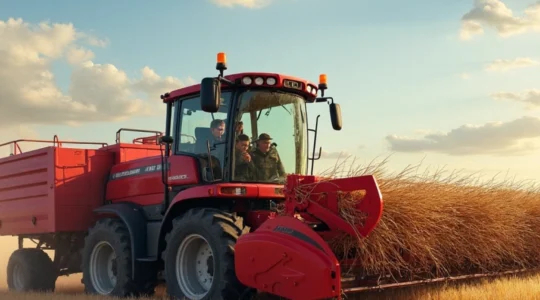
Which straw blower is used for long straw and short straw?
Straw blowers play a crucial role in modern agricultural operations, offering efficient solutions for bedding and feeding livestock. The choice between long straw and short straw blowers can significantly impact farm productivity and animal welfare. Understanding the distinctions between these…
Lire la suiteNatural and organic fertilization: the importance of nitrogen for plants
Nitrogen is a mineral element that is very abundant in nature. It is considered to be the third most abundant element in plant tissues, after carbon and hydrogen. It is involved in the growth process and development of crops as…
Lire la suite