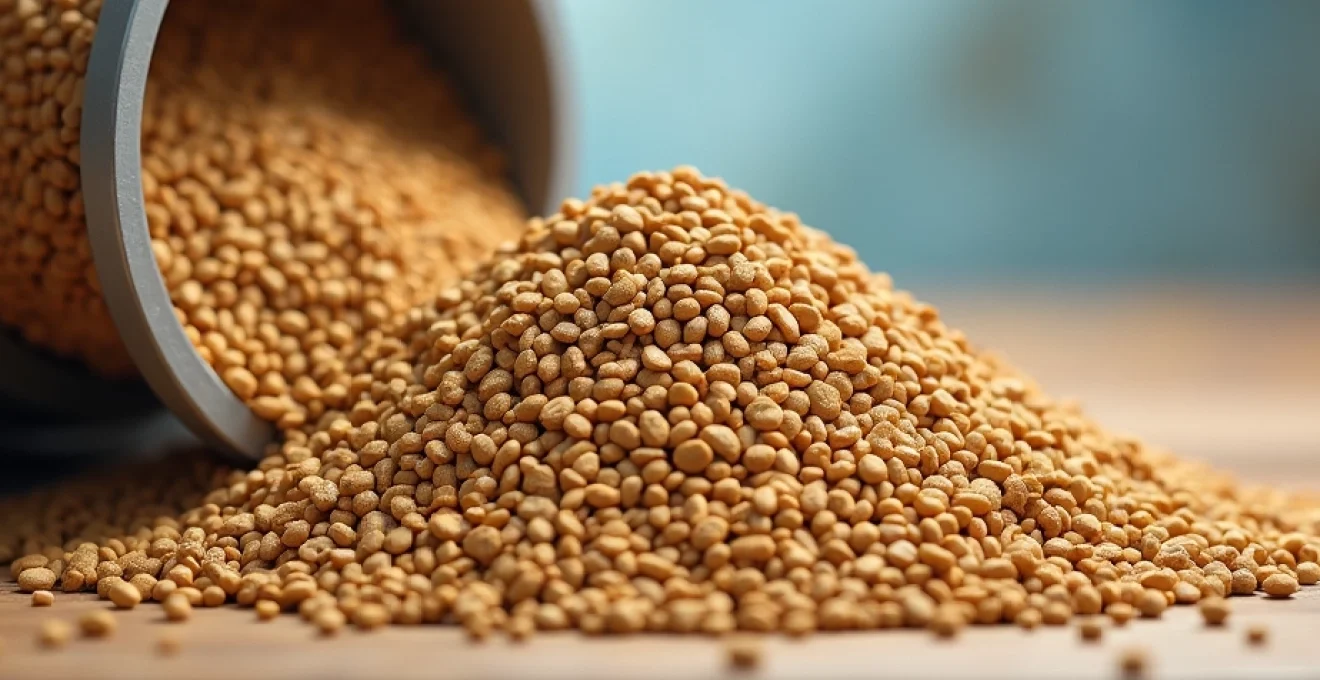
Animal feed storage presents significant challenges for manufacturers and livestock producers, with oxidative deterioration representing one of the most critical threats to nutritional quality and economic viability. The degradation of essential nutrients, particularly vitamins, proteins, and lipids, occurs rapidly when feed ingredients are exposed to atmospheric oxygen during storage periods. This oxidative damage not only reduces the nutritional value of feed but also generates harmful compounds that can negatively impact animal health and performance.
Nitrogen flushing has emerged as a revolutionary preservation technology that effectively combats oxidation by creating an inert atmosphere within storage containers and packaging systems. By displacing oxygen with nitrogen gas, this method significantly extends shelf life while maintaining the integrity of crucial nutritional components. The technique has gained widespread adoption across the animal nutrition industry, from large-scale commercial operations to specialised premix manufacturers seeking to protect their high-value formulations.
The implementation of nitrogen flushing technology represents a paradigm shift in feed preservation methodology, offering superior protection compared to traditional storage methods. Understanding the mechanisms behind oxidative deterioration and how nitrogen displacement prevents these processes is essential for optimising feed quality and maximising return on investment in modern animal nutrition enterprises.
Oxidative deterioration mechanisms in animal feed storage systems
The complex biochemical processes that drive feed deterioration during storage involve multiple pathways of oxidative damage, each contributing to the progressive degradation of nutritional value and palatability. These mechanisms operate simultaneously within stored feed, creating a cascade of chemical reactions that accelerate spoilage and reduce the bioavailability of essential nutrients. Understanding these deterioration pathways is fundamental to appreciating why nitrogen flushing represents such an effective preservation strategy.
Atmospheric oxygen serves as the primary catalyst for most degradation reactions in animal feed, initiating chain reactions that propagate throughout the stored material. The presence of moisture, elevated temperatures, and trace metal contaminants further accelerate these oxidative processes, creating an environment where nutritional losses occur at an alarming rate. Research indicates that feeds stored under conventional atmospheric conditions can lose up to 25% of their vitamin content within the first three months of storage.
Lipid peroxidation pathways in High-Fat feed ingredients
Lipid peroxidation represents the most significant oxidative threat to animal feeds containing substantial fat content, particularly those formulated with fish meal, vegetable oils, or oilseed meals. This process begins with the formation of free radicals that attack unsaturated fatty acids, creating a self-perpetuating cycle of oxidative damage. The initial reaction involves the abstraction of hydrogen atoms from fatty acid molecules, generating alkyl radicals that readily react with molecular oxygen to form peroxyl radicals.
The propagation phase of lipid peroxidation creates a chain reaction where peroxyl radicals attack adjacent fatty acid molecules, producing hydroperoxides and additional alkyl radicals. These hydroperoxides are unstable compounds that decompose to form aldehydes, ketones, and other secondary oxidation products responsible for rancid odours and flavours. Studies have shown that feeds exposed to atmospheric oxygen can develop peroxide values exceeding 10 meq/kg within 60 days, well above the acceptable threshold of 5 meq/kg for quality feed ingredients.
The economic impact of lipid peroxidation extends beyond simple quality degradation, as oxidised fats reduce palatability and can negatively affect animal performance. Broiler chickens fed diets containing oxidised fats show reduced feed intake, decreased weight gain, and impaired immune function. The formation of toxic aldehydes such as malondialdehyde further compounds these issues by creating oxidative stress within animal tissues.
Maillard reaction acceleration in Protein-Rich concentrates
Protein-rich feed concentrates undergo complex non-enzymatic browning reactions known as Maillard reactions when exposed to oxygen and elevated temperatures during storage. These reactions occur between reducing sugars and amino acids, particularly lysine and other essential amino acids critical for animal nutrition. The process is significantly accelerated in the presence of oxygen, moisture, and heat, conditions commonly encountered in conventional feed storage systems.
The Maillard reaction pathway progresses through several stages, beginning with the formation of Schiff bases between amino groups and carbonyl compounds. Subsequent rearrangements and cyclisation reactions produce intermediate compounds that eventually polymerise to form brown pigments and volatile compounds. While some early-stage Maillard products may possess antioxidant properties, advanced glycation end products (AGEs) formed during extended storage periods can be harmful to animal health.
Lysine availability in protein concentrates can decrease by 15-30% during six months of conventional storage, representing a substantial economic loss given the high cost of synthetic lysine supplementation. The reduction in available lysine directly impacts the biological value of protein sources, requiring feed manufacturers to reformulate diets or accept reduced performance outcomes in target animals.
Vitamin degradation kinetics under atmospheric oxygen exposure
Fat-soluble vitamins, particularly vitamins A, D, and E, demonstrate extreme sensitivity to oxidative degradation when exposed to atmospheric oxygen during feed storage. These vitamins function as antioxidants within biological systems but become vulnerable to destruction through oxidative pathways when present in stored feed matrices. Vitamin E, while serving as a primary antioxidant in feed formulations, paradoxically undergoes rapid degradation through its protective mechanisms.
The degradation kinetics of vitamins follow first-order reaction patterns, with half-lives significantly shortened under oxidative conditions. Vitamin A content in stored feeds can decrease by 50% within 90 days under atmospheric storage conditions, while vitamin E levels may decline by 40% over the same period. Temperature and moisture content act as critical modifying factors, with each 10°C increase in storage temperature approximately doubling the rate of vitamin degradation.
Water-soluble vitamins, including thiamine, riboflavin, and ascorbic acid, also suffer degradation under oxidative conditions, though their losses typically occur through different mechanisms involving hydrolytic and oxidative pathways. The cumulative effect of vitamin losses during storage necessitates over-formulation strategies that increase feed costs and create uncertainty regarding actual vitamin delivery to target animals.
Mycotoxin formation through oxidative stress in Grain-Based feeds
Oxidative stress conditions within stored grain-based feeds create favourable environments for mould growth and subsequent mycotoxin production, representing a significant food safety concern for animal nutrition. The presence of oxygen, combined with appropriate moisture levels and temperatures, enables fungal species such as Aspergillus, Fusarium, and Penicillium to proliferate and produce toxic secondary metabolites.
Aflatoxins, ochratoxin A, and trichothecenes represent the most economically significant mycotoxins affecting stored animal feeds, with regulatory limits established in many jurisdictions to protect animal and human health. The relationship between oxidative conditions and mycotoxin formation is complex, as oxidative stress can both promote initial fungal growth and influence the expression of genes responsible for mycotoxin biosynthesis.
Prevention of mycotoxin formation through atmosphere modification represents a proactive approach to feed safety management, as post-formation removal strategies are often ineffective or economically prohibitive. Research indicates that storage under nitrogen atmospheres can reduce aflatoxin production by up to 90% compared to conventional atmospheric storage, highlighting the dual benefits of oxygen exclusion for both nutritional preservation and food safety enhancement.
Nitrogen flushing technology: industrial applications and equipment
The implementation of nitrogen flushing technology in animal feed operations requires sophisticated equipment systems designed to efficiently displace atmospheric oxygen while maintaining economic viability. Modern nitrogen flushing systems integrate seamlessly with existing feed production and storage infrastructure, providing flexible solutions that can be scaled according to operational requirements. The technology encompasses various application methods, from simple bag flushing operations to complex continuous-flow systems serving large-scale manufacturing facilities.
Industrial nitrogen flushing systems can achieve oxygen concentrations below 1% in storage containers, creating an essentially inert atmosphere that dramatically slows oxidative deterioration processes.
The selection of appropriate nitrogen flushing equipment depends on factors including production volume, storage duration requirements, feed ingredient characteristics, and economic considerations. Modern systems typically achieve nitrogen purity levels exceeding 99%, with residual oxygen concentrations maintained below 0.5% to ensure effective preservation outcomes. Investment in nitrogen flushing technology typically demonstrates positive return on investment within 18-24 months through reduced product losses and extended shelf life capabilities.
Pneumatic conveying systems for N2 gas distribution
Pneumatic conveying systems utilising nitrogen gas serve dual functions in modern feed mills, simultaneously transporting materials and creating inert atmospheres within processing equipment. These systems employ pressurised nitrogen to move feed ingredients through enclosed pipelines, eliminating oxygen exposure during material handling operations. The integration of nitrogen conveying systems represents an advanced approach to comprehensive atmosphere control throughout the production process.
Dense-phase pneumatic conveying systems operating with nitrogen gas can transport materials at lower velocities, reducing particle degradation while maintaining inert conditions. The nitrogen used for conveying can be recovered and recirculated through closed-loop systems, improving economic efficiency while maintaining atmosphere control. Typical conveying pressures range from 1-6 bar, with nitrogen consumption rates varying according to system design and material characteristics.
The implementation of nitrogen-based pneumatic conveying requires careful attention to system design parameters, including pipeline sizing, pressure drop calculations, and material velocity optimisation. Proper system design ensures uniform nitrogen distribution while minimising energy consumption and equipment wear. Advanced control systems monitor nitrogen purity and flow rates, automatically adjusting parameters to maintain optimal conveying conditions.
Modified atmosphere packaging (MAP) integration in feed mills
Modified atmosphere packaging technology has revolutionised the animal feed industry by enabling precise control over package atmospheres during the filling and sealing process. MAP systems for animal feed typically employ nitrogen concentrations of 95-99%, with residual oxygen levels maintained below 2% to ensure effective preservation. The integration of MAP technology into existing packaging lines requires specialised equipment including gas mixing panels, package flushing stations, and leak detection systems.
Flexible packaging materials used in MAP applications must demonstrate excellent barrier properties to prevent atmospheric gas ingress during storage periods. Multi-layer films incorporating ethylene vinyl alcohol (EVOH) or polyvinylidene chloride (PVDC) barriers can maintain inert atmospheres for extended periods, with oxygen transmission rates below 0.1 cc/m²/day. The selection of appropriate packaging materials represents a critical factor in achieving successful MAP implementation.
Quality control protocols for MAP operations include regular analysis of package atmospheres using headspace gas analysers to verify nitrogen concentration and detect potential leakage issues. Automated MAP systems can package up to 120 bags per minute while maintaining precise atmosphere control, demonstrating the technology’s compatibility with high-volume production requirements. The economic benefits of MAP implementation include reduced product returns, extended distribution capabilities, and enhanced brand reputation for quality.
Continuous flow nitrogen generators for Large-Scale operations
On-site nitrogen generation systems provide economic advantages for large-scale animal feed operations by eliminating the costs and logistics associated with delivered nitrogen supplies. Pressure swing adsorption (PSA) and membrane separation technologies represent the two primary methods for continuous nitrogen generation, each offering distinct advantages depending on operational requirements. PSA systems typically achieve higher nitrogen purities (99.9%+) but require higher energy inputs, while membrane systems offer lower operating costs with purities of 95-99%.
The sizing of nitrogen generation systems requires careful analysis of peak demand patterns, storage requirements, and backup capacity needs. Modern PSA systems can produce nitrogen at rates exceeding 1000 Nm³/hour, sufficient to support large feed mill operations with multiple packaging lines and storage vessels. The integration of nitrogen generation systems with compressed air infrastructure requires attention to air quality, pressure regulation, and moisture control to ensure optimal performance.
Economic analysis of nitrogen generation versus purchased nitrogen typically favours on-site generation for operations consuming more than 50 Nm³/day, with payback periods ranging from 12-36 months depending on local gas prices and system specifications. Advanced control systems optimise generator operation to match demand patterns, reducing energy consumption during periods of low nitrogen usage. The reliability of modern nitrogen generators exceeds 98%, with scheduled maintenance requirements typically limited to annual filter changes and routine inspections.
Vacuum-assisted nitrogen displacement protocols
Vacuum-assisted nitrogen flushing protocols enhance the efficiency of oxygen removal by creating negative pressure conditions that facilitate complete atmospheric displacement. This methodology combines vacuum evacuation with nitrogen backfilling to achieve oxygen concentrations below 0.1%, representing a significant improvement over simple gas flushing techniques. The process typically involves multiple evacuation and backfill cycles to ensure complete oxygen removal from complex container geometries.
The implementation of vacuum-assisted protocols requires specialised equipment including vacuum pumps, pressure control systems, and automated sequencing controllers. Typical evacuation pressures range from 50-100 mbar absolute, with nitrogen backfill pressures adjusted according to container specifications and sealing requirements. The process duration depends on container size and geometry, with typical cycle times ranging from 2-10 minutes for complete oxygen displacement.
Quality verification of vacuum-assisted nitrogen flushing involves residual oxygen analysis using electrochemical or paramagnetic sensors capable of detecting concentrations below 0.1%. The enhanced oxygen removal achieved through vacuum-assisted protocols justifies the additional equipment investment for high-value feed products requiring maximum preservation effectiveness. Research indicates that vacuum-assisted nitrogen flushing can extend shelf life by 2-3 times compared to conventional atmospheric storage methods.
Oxygen scavenging performance analysis in Nitrogen-Rich environments
The effectiveness of nitrogen flushing in preventing oxidative deterioration depends on achieving and maintaining extremely low oxygen concentrations throughout the storage period. Comprehensive performance analysis involves monitoring oxygen levels, tracking product quality parameters, and evaluating the economic impact of preservation outcomes. Modern analytical techniques enable precise measurement of oxygen concentrations at parts-per-million levels, providing detailed insights into system performance and identifying opportunities for optimisation.
Oxygen scavenging performance in nitrogen-rich environments follows predictable patterns influenced by factors including initial oxygen concentration, storage temperature, packaging barrier properties, and product characteristics. Residual oxygen levels below 500 ppm typically provide excellent preservation outcomes for most animal feed applications, while concentrations below 100 ppm may be required for highly sensitive ingredients such as vitamin premixes or high-fat formulations.
The kinetics of oxygen depletion in nitrogen-flushed containers demonstrate exponential decay patterns, with initial rapid consumption followed by slower equilibrium phases. This behaviour reflects the consumption of easily oxidised compounds followed by the gradual reaction of more stable components. Mathematical modelling of oxygen depletion curves enables prediction of optimal nitrogen flushing parameters and storage conditions for specific feed formulations.
Studies demonstrate that maintaining oxygen levels below 200 ppm in stored animal feeds can reduce vitamin losses by up to 85% compared to atmospheric storage conditions.
Advanced monitoring systems utilising wireless oxygen sensors provide real-time data on atmospheric conditions within storage containers, enabling immediate response to potential seal failures or atmospheric contamination. These systems can trigger automatic nitrogen purging cycles when oxygen concentrations exceed predetermined thresholds, maintaining optimal preservation conditions throughout extended storage periods. The integration of monitoring systems with facility management software enables comprehensive tracking of preservation effectiveness across multiple storage locations.
Comparative analysis of different nitrogen flushing protocols reveals significant variation in oxygen scavenging performance depending on implementation methodology and equipment specifications. Single-pass flushing typically achieves oxygen reductions of 90-95%, while multi-cycle vacuum-assisted protocols can achieve reductions exceeding 99.9%. The selection of appropriate protocols depends on balancing preservation requirements against equipment costs and operational complexity.
Feed quality preservation through controlled atmosphere storage
Controlled atmosphere storage utilising nitrogen environments represents a comprehensive approach to feed quality preservation that addresses multiple deterioration mechanisms simultaneously. This methodology extends beyond simple oxidation prevention to encompass moisture control, pest management, and microbiological stability. The integration of controlled atmosphere principles with modern feed storage infrastructure creates optimal conditions for maintaining nutritional integrity throughout extended storage periods.
The implementation of controlled atmosphere storage requires careful attention to facility design, including proper sealing systems, atmosphere monitoring equipment, and emergency ventilation protocols. Storage structures must demonstrate excellent gas-tightness to prevent atmospheric infiltration while providing safety systems to protect personnel from potential nitrogen accumulation. Modern controlled atmosphere facilities can maintain nitrogen concentrations above 95% for periods exceeding 12 months, providing exceptional preservation outcomes for high-value feed ingredients.
Nutritional value retention in soybean meal under nitrogen protection
Soybean meal, representing one of the most significant protein sources in animal nutrition, demonstrates remarkable stability when stored under nitrogen protection compared to conventional atmospheric conditions. Research indicates that available lysine content in nitrogen-stored soybean meal remains above 95% of initial values after six months, compared to 75-80% retention under atmospheric storage. This preservation of amino acid availability directly translates to improved feed conversion efficiency and reduced supplementation requirements.
The mechanism of amino acid preservation under nitrogen protection
involves the prevention of cross-linking reactions between amino acid residues and reducing sugars that occur readily in the presence of oxygen. Nitrogen atmospheres effectively block these non-enzymatic browning reactions by eliminating the oxygen required for advanced glycation end product formation. The preservation of protein quality extends beyond amino acid availability to include maintenance of protein digestibility coefficients and biological value metrics.
Temperature fluctuations during storage represent a significant threat to soybean meal quality, but nitrogen protection provides enhanced thermal stability by preventing oxidative chain reactions that accelerate at elevated temperatures. Studies conducted in tropical storage conditions demonstrate that nitrogen-protected soybean meal maintains protein quality parameters equivalent to refrigerated storage, offering significant economic advantages for operations in challenging climatic conditions.
The economic implications of enhanced soybean meal preservation through nitrogen protection are substantial, considering that protein ingredients typically represent 40-60% of feed formulation costs. Maintaining amino acid availability eliminates the need for over-formulation strategies and reduces reliance on expensive synthetic amino acid supplements. Commercial operations report feed cost reductions of 3-8% through improved protein ingredient utilisation enabled by nitrogen storage systems.
Antioxidant stability enhancement in premix formulations
Vitamin and mineral premixes represent the most oxygen-sensitive components in animal feed formulations, requiring exceptional preservation conditions to maintain biological activity throughout storage and distribution periods. Nitrogen flushing technology provides optimal protection for these high-value ingredients by creating completely inert storage environments that prevent oxidative degradation pathways. The implementation of nitrogen protection for premix storage can extend shelf life from 6 months to 18-24 months while maintaining potency levels above 90%.
Fat-soluble vitamins demonstrate particularly dramatic stability improvements under nitrogen protection, with vitamin E retention rates exceeding 95% after 12 months compared to 60-70% under atmospheric conditions. The preservation of antioxidant vitamins creates a synergistic effect where these compounds continue to provide protection against lipid peroxidation throughout the storage period. This maintained antioxidant capacity reduces the need for synthetic preservative additives and enhances the natural shelf stability of complete feed formulations.
Trace minerals in premix formulations benefit from nitrogen protection through reduced catalytic activity in oxidative reactions. Iron and copper compounds, while essential nutrients, can accelerate lipid peroxidation and vitamin degradation when exposed to oxygen during storage. Nitrogen atmospheres effectively isolate these catalytic metals from oxygen, preventing their participation in harmful oxidative chain reactions while maintaining their nutritional bioavailability.
The formulation stability achieved through nitrogen protection enables premix manufacturers to guarantee potency levels throughout extended distribution chains, supporting global feed supply networks and reducing inventory turnover requirements. Advanced premix formulations incorporating probiotics and enzymes demonstrate exceptional stability under nitrogen protection, with activity levels maintained above 85% after 18 months storage compared to 40-50% under conventional conditions.
Moisture control synergy with inert gas atmospheres
The combination of nitrogen flushing with moisture control systems creates synergistic preservation effects that exceed the benefits of either technology applied independently. Nitrogen atmospheres enhance the effectiveness of desiccant systems by preventing the formation of localised humid microclimates that can develop around moisture-absorbing materials. This integrated approach maintains water activity levels below 0.65 throughout storage periods, effectively preventing mould growth and mycotoxin formation.
Hygroscopic feed ingredients such as molasses-based liquid supplements demonstrate remarkable stability when stored under combined nitrogen protection and moisture control systems. The inert atmosphere prevents oxidative degradation of sugars and organic acids while moisture control prevents fermentation and microbiological spoilage. Research indicates that liquid feed supplements maintained under these conditions retain palatability and nutritional value for periods exceeding 12 months without refrigeration.
The relationship between moisture content and oxidation rates follows exponential patterns, with small increases in water activity dramatically accelerating degradation processes. Nitrogen atmospheres help break this relationship by eliminating the oxygen required for most moisture-catalysed reactions, enabling safe storage at higher moisture levels than would be acceptable under atmospheric conditions. This flexibility provides significant advantages for ingredients with naturally higher moisture content or those requiring minimal processing.
Advanced moisture monitoring systems integrated with nitrogen flushing equipment provide real-time feedback on storage conditions, automatically triggering atmosphere refresh cycles when moisture levels exceed predetermined thresholds. These intelligent control systems optimise nitrogen consumption while maintaining ideal preservation conditions, demonstrating the evolution toward fully automated feed storage management systems.
Shelf-life extension metrics for commercial pet food products
Commercial pet food manufacturers have documented exceptional shelf-life extensions through nitrogen flushing implementation, with dry extruded products achieving shelf-life increases of 150-200% compared to conventional packaging methods. Premium pet food formulations containing high levels of fresh meat, fish oils, and natural preservatives demonstrate particular benefits from nitrogen protection, maintaining palatability and nutritional integrity throughout extended distribution periods.
Kibble texture and crispiness represent critical quality attributes for pet food products, characteristics that are rapidly degraded through moisture absorption and lipid oxidation under atmospheric storage conditions. Nitrogen-packaged pet foods maintain textural properties equivalent to fresh production for periods exceeding 18 months, compared to 6-8 months for conventionally packaged products. This texture preservation directly impacts consumer satisfaction and brand loyalty metrics.
The preservation of natural flavour compounds in pet foods through nitrogen protection eliminates the need for artificial flavour enhancers and palatability additives. Natural meat and fish flavours remain stable under inert atmospheres, maintaining the authentic taste profiles that drive pet acceptance and consumption rates. Palatability testing demonstrates that nitrogen-protected pet foods maintain acceptance rates above 85% after 12 months storage, compared to 60-70% for atmospheric storage.
Economic analysis of nitrogen implementation in pet food manufacturing reveals return on investment periods of 8-15 months through reduced product returns, extended distribution capabilities, and premium pricing opportunities. The ability to guarantee product quality throughout extended shelf life periods enables manufacturers to expand into distant markets and reduce inventory management costs while maintaining brand reputation for quality and freshness.
Economic impact assessment of nitrogen flushing implementation
The economic evaluation of nitrogen flushing technology requires comprehensive analysis of implementation costs, operational expenses, and preservation benefits to determine overall return on investment. Initial capital expenditure for nitrogen flushing systems typically ranges from $50,000 to $500,000 depending on production scale and system complexity, with payback periods generally achieved within 18-36 months through reduced product losses and extended shelf life capabilities.
Operational cost analysis must consider nitrogen consumption rates, energy requirements, maintenance expenses, and labour costs associated with system operation. Modern nitrogen generation systems consume approximately 0.4-0.8 kWh per cubic metre of nitrogen produced, with total operational costs typically representing 0.5-1.2% of product value for most animal feed applications. The economic efficiency improves significantly with scale, as larger operations benefit from economies of scale in equipment sizing and nitrogen generation efficiency.
The preservation benefits of nitrogen flushing extend beyond simple shelf-life extension to encompass quality maintenance, reduced waste, and enhanced market positioning opportunities. Feed manufacturers report product loss reductions of 60-80% for oxygen-sensitive ingredients, translating to annual savings of $100,000 to $2 million depending on production volume and ingredient costs. The ability to maintain consistent quality throughout extended storage periods enables manufacturers to implement more efficient inventory management strategies and reduce safety stock requirements.
Commercial feed operations implementing nitrogen flushing technology report average return on investment rates of 25-40% annually through combined savings from reduced waste, extended shelf life, and improved product quality.
Market positioning advantages derived from nitrogen flushing implementation include the ability to offer extended shelf-life guarantees, premium product positioning, and expanded geographic distribution capabilities. These competitive advantages often justify premium pricing strategies that can increase gross margins by 5-15% while maintaining market competitiveness. The quality assurance provided by nitrogen protection enables manufacturers to enter high-value market segments requiring exceptional product stability and nutritional integrity.
Risk mitigation represents an often-overlooked economic benefit of nitrogen flushing implementation, as the technology provides insurance against product recalls, quality claims, and brand reputation damage associated with oxidised or degraded feed products. The cost of product recalls in the animal feed industry can exceed $10 million when considering direct costs, legal expenses, and long-term brand damage, making prevention through nitrogen protection a prudent risk management strategy.
Regulatory compliance standards for inert gas usage in animal nutrition
Regulatory frameworks governing the use of inert gases in animal feed applications vary significantly across global jurisdictions, requiring manufacturers to navigate complex compliance requirements for international market access. The Food and Drug Administration (FDA) in the United States recognises nitrogen as Generally Recognized as Safe (GRAS) for use in food and feed applications, providing a foundation for regulatory acceptance in animal nutrition applications.
European Union regulations under the Feed Additives Regulation (EC) No 1831/2003 classify nitrogen as a technological additive when used for preservation purposes, requiring specific authorisation and compliance with maximum residue limits. The European Food Safety Authority (EFSA) has established guidelines for nitrogen usage in animal feed applications, emphasising the importance of good manufacturing practices and quality assurance protocols to ensure safe implementation.
Documentation requirements for regulatory compliance include detailed process descriptions, safety data sheets, residue analysis protocols, and quality control procedures demonstrating adherence to established safety standards. Manufacturers must maintain comprehensive records of nitrogen usage rates, purity specifications, and analytical testing results to support regulatory submissions and inspection requirements. The implementation of hazard analysis and critical control points (HACCP) systems provides a framework for systematic compliance management.
International harmonisation efforts through organisations such as the Association of American Feed Control Officials (AAFCO) and the International Feed Industry Federation (IFIF) are working to establish consistent standards for inert gas usage in animal feed applications. These initiatives aim to reduce regulatory barriers for international trade while maintaining appropriate safety standards for animal and human health protection.
Emerging regulatory considerations include environmental impact assessments for nitrogen generation and usage systems, with particular attention to energy consumption and carbon footprint implications. Manufacturers implementing nitrogen flushing technology must increasingly demonstrate environmental responsibility through sustainable operation practices and energy efficiency optimisation. The integration of renewable energy sources for nitrogen generation represents an evolving area of regulatory focus and competitive advantage.
Training and certification requirements for personnel operating nitrogen flushing systems are becoming increasingly stringent, with regulatory authorities emphasising the importance of proper safety protocols and technical competency. Comprehensive training programmes covering system operation, safety procedures, and emergency response protocols are essential for maintaining regulatory compliance and ensuring safe working environments in feed manufacturing facilities.