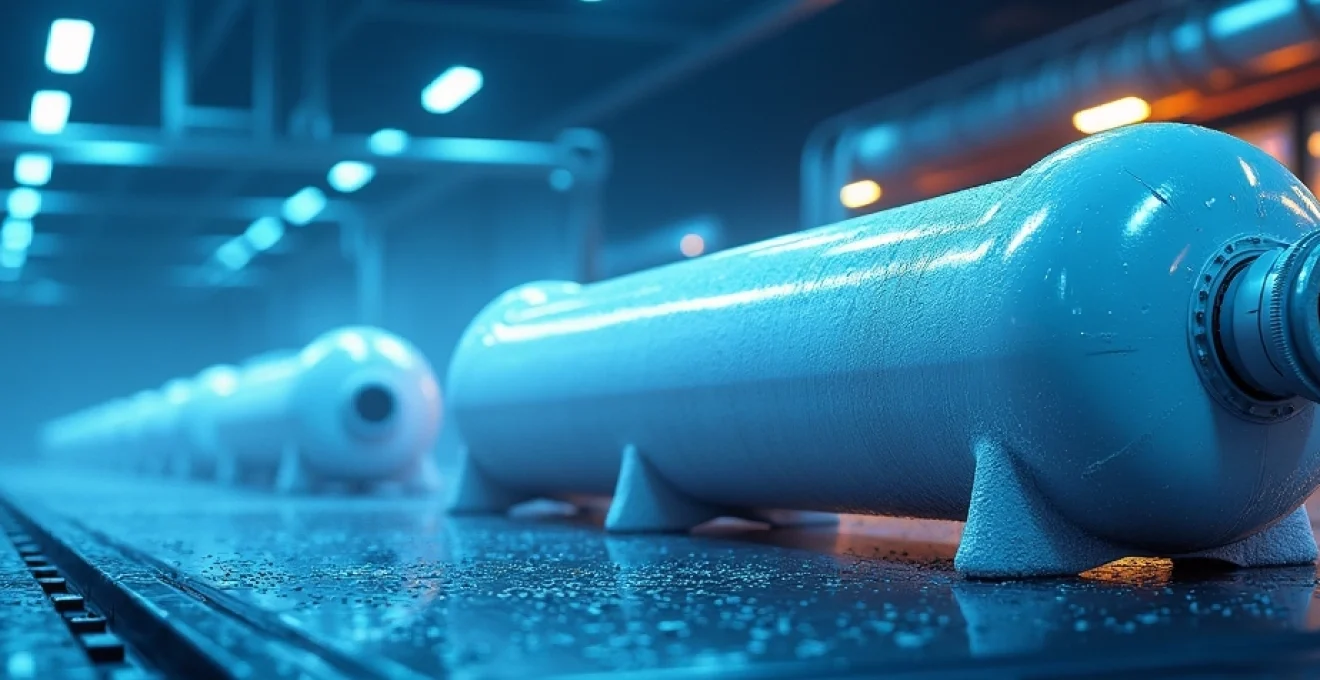
Industrial storage operations face a constant battle against oxidation, a destructive chemical process that can compromise product integrity, reduce shelf life, and lead to significant financial losses. Oxidation occurs when materials react with oxygen, causing degradation that affects everything from pharmaceutical compounds to electronic components. The solution lies in creating oxygen-free environments through nitrogen blanketing and inerting systems, which have become essential technologies across multiple industries.
The principles behind nitrogen’s protective capabilities stem from its inert nature and ability to displace oxygen effectively. Modern industrial facilities increasingly rely on sophisticated nitrogen generation and monitoring systems to maintain optimal storage conditions. Understanding how nitrogen prevents oxidation requires examining both the fundamental chemical processes and the practical implementation of these protective systems in real-world applications.
Nitrogen gas properties and oxidation prevention mechanisms in industrial storage
Inert atmosphere creation through nitrogen displacement of oxygen
Nitrogen’s effectiveness as an oxidation preventative stems from its chemically inert properties , making it unreactive with most stored materials under normal conditions. When introduced into storage environments, nitrogen systematically displaces oxygen through a process of atmospheric substitution. This displacement occurs gradually as nitrogen-enriched atmospheres push oxygen concentrations below critical thresholds where oxidation reactions become thermodynamically unfavourable.
The displacement process follows predictable fluid dynamics principles. Nitrogen, being slightly less dense than air at standard conditions, can be introduced at various points within storage systems. Strategic injection points ensure complete oxygen removal, with particular attention paid to dead zones where stagnant air might persist. Industrial applications typically achieve oxygen concentrations below 1% within hours, creating protective atmospheres that remain stable for extended periods.
Molecular structure analysis: N₂ chemical stability under storage conditions
The molecular structure of nitrogen gas ( N₂ ) features a triple covalent bond between two nitrogen atoms, creating one of the strongest chemical bonds found in nature. This triple bond requires approximately 945 kJ/mol to break, making nitrogen extraordinarily stable under normal storage temperatures and pressures. The bond strength explains why nitrogen remains unreactive with most industrial materials, including metals, polymers, and organic compounds commonly found in storage facilities.
Temperature variations within typical storage ranges (−40°C to +80°C) have minimal impact on nitrogen’s chemical stability. Even under extreme conditions, nitrogen maintains its inert characteristics, continuing to provide oxidation protection. This thermal stability makes nitrogen suitable for storage applications involving temperature cycling, such as pharmaceutical cold storage or electronics component warehouses that experience seasonal variations.
Partial pressure dynamics and oxygen exclusion thresholds
Oxidation prevention depends critically on maintaining oxygen partial pressures below specific thresholds. Most oxidation reactions require oxygen concentrations exceeding 2-3% by volume to proceed at measurable rates. Industrial nitrogen blanketing systems typically target oxygen levels below 1%, providing substantial safety margins. The relationship between partial pressure and oxidation rates follows exponential curves, meaning small reductions in oxygen concentration yield disproportionately large decreases in oxidation potential.
Pressure dynamics within storage systems must account for temperature fluctuations, material expansion, and atmospheric changes. Breathing losses occur when storage tanks expand and contract, potentially introducing oxygen-containing air. Properly designed nitrogen systems maintain slight positive pressures (typically 0.5-2.0 mbar) to prevent atmospheric ingress while avoiding excessive pressure buildup that could damage storage containers.
Temperature and humidity control integration with nitrogen blanketing
Nitrogen blanketing systems often integrate with temperature and humidity control mechanisms to provide comprehensive environmental protection. Dry nitrogen injection helps control moisture levels, preventing corrosion and mould growth that can occur even in oxygen-depleted environments. The combination of oxygen exclusion and moisture control creates optimal conditions for sensitive material storage.
Temperature control integration involves coordinating nitrogen injection rates with heating and cooling cycles. As temperatures decrease, nitrogen consumption reduces due to lower gas expansion rates and reduced breathing losses. Conversely, heating cycles increase nitrogen demand, requiring automatic flow adjustments to maintain protective atmospheres. Modern systems use predictive algorithms to anticipate nitrogen requirements based on temperature forecasts and historical consumption patterns.
Critical industrial applications requiring Nitrogen-Protected storage systems
Pharmaceutical active ingredient storage in merck and pfizer facilities
Pharmaceutical manufacturing relies heavily on nitrogen-protected storage to maintain active pharmaceutical ingredient (API) potency and stability. Major pharmaceutical companies implement sophisticated nitrogen blanketing systems for storing moisture-sensitive compounds , oxidation-prone intermediates, and finished drug substances. These systems prevent degradation reactions that could render medications ineffective or produce harmful byproducts.
Temperature-controlled pharmaceutical storage often combines nitrogen inerting with precise humidity control. Storage temperatures ranging from −80°C to +25°C require different nitrogen management approaches. Cryogenic storage applications use liquid nitrogen directly, while ambient storage relies on gaseous nitrogen generation systems. Quality control protocols mandate continuous monitoring of both oxygen concentrations and nitrogen purity levels to ensure compliance with regulatory standards.
Electronics component warehousing for samsung and intel semiconductors
Semiconductor storage presents unique challenges due to the extreme sensitivity of electronic components to oxidation and moisture. Silicon wafers, integrated circuits, and printed circuit boards require oxygen concentrations below 100 ppm to prevent surface oxidation that affects electrical properties. Nitrogen-protected cleanrooms and storage areas maintain these stringent requirements through continuous monitoring and automatic replenishment systems.
Electronics warehousing integrates nitrogen systems with electrostatic discharge protection and contamination control measures. Storage environments maintain specific humidity ranges (typically 30-50% relative humidity) using dry nitrogen injection combined with precision climate control. The combination prevents both oxidation and static buildup that could damage sensitive electronic components during handling and storage operations.
Chemical precursor storage in BASF and dow chemical operations
Chemical manufacturing facilities store reactive precursors and intermediates that pose significant oxidation risks. Organic solvents, catalysts, and specialty chemicals often require inert atmospheres to prevent unwanted reactions, polymerization, or degradation. Large-scale storage tanks use nitrogen blanketing systems capable of handling millions of litres of chemical products while maintaining consistent protection levels.
Chemical storage systems must accommodate varying product properties, including vapour pressures, thermal expansion coefficients, and reactivity profiles. Multi-product facilities use flexible nitrogen distribution systems that can adjust flow rates and purity levels based on specific product requirements. Safety interlocks prevent cross-contamination and ensure proper nitrogen coverage during product transfers and tank cleaning operations.
Food industry applications: nestlé and unilever powder storage systems
Food ingredient storage utilises nitrogen protection to prevent rancidity, colour changes, and nutritional degradation. Powder storage systems for ingredients like milk powder, cocoa, and vitamin premixes rely on nitrogen blanketing to exclude oxygen and moisture simultaneously. These applications require food-grade nitrogen with specific purity standards and contamination controls appropriate for direct food contact.
Large-scale food storage operations integrate nitrogen systems with automated handling equipment, including pneumatic conveying systems and bulk storage silos. Nitrogen serves dual purposes: providing oxidation protection and acting as a carrier gas for powder transfer operations. This integration reduces the overall system complexity while ensuring consistent product quality throughout the storage and handling process.
Nitrogen generation technologies for industrial storage implementation
Modern industrial facilities increasingly adopt on-site nitrogen generation systems to reduce operational costs and ensure reliable supply for storage applications. Pressure swing adsorption (PSA) technology represents the most common approach for generating industrial-grade nitrogen, typically achieving purities between 95-99.9%. PSA systems use molecular sieves to selectively adsorb oxygen and moisture from compressed air, producing continuous nitrogen streams suitable for storage blanketing applications.
Membrane separation technology offers an alternative approach for applications requiring lower nitrogen purities (90-95%) or smaller flow rates. Membrane generators use semi-permeable polymeric membranes that selectively permeate oxygen and water vapour while retaining nitrogen. These systems operate at lower pressures than PSA units, reducing energy consumption but limiting maximum purity levels achievable.
Liquid nitrogen storage and vaporisation systems provide the highest purity nitrogen (99.99%+) for critical applications. Large industrial facilities often combine bulk liquid nitrogen storage with on-site vaporisation equipment to handle peak demand periods while maintaining base load production through PSA or membrane systems. This hybrid approach optimises both capital investment and operational flexibility while ensuring uninterrupted nitrogen supply for storage protection.
Cryogenic air separation represents the ultimate solution for facilities with extremely high nitrogen requirements or those needing multiple gas products. These systems fractionally distil liquefied air to produce pure nitrogen alongside oxygen and argon as byproducts. The complexity and scale of cryogenic plants typically limit their application to large chemical complexes or facilities with diverse gas requirements beyond simple storage protection.
The choice of nitrogen generation technology depends on factors including required purity levels, flow rates, operational flexibility, and total cost of ownership over the system lifetime.
Monitoring and control systems for Nitrogen-Blanketed storage environments
Oxygen analyser integration with teledyne and ABB detection systems
Precise oxygen monitoring forms the cornerstone of effective nitrogen blanketing systems. Modern oxygen analysers use various detection principles, including paramagnetic, electrochemical, and optical fluorescence technologies. Paramagnetic analysers excel in applications requiring high accuracy and stability, measuring oxygen concentrations from percentage levels down to sub-ppm ranges with excellent long-term repeatability.
Electrochemical oxygen sensors provide cost-effective monitoring for routine storage applications, offering adequate accuracy for oxygen concentrations between 0.1-25%. These sensors require regular calibration and periodic replacement but deliver reliable performance for most industrial storage requirements. Integration with distributed control systems enables automatic alarming and data logging capabilities essential for regulatory compliance and process optimisation.
Pressure relief valve configurations for emerson and spirax sarco equipment
Pressure relief systems protect storage tanks from overpressure conditions while maintaining nitrogen blanketing effectiveness. Conservation vents combine pressure relief and vacuum relief functions, operating at differential pressures typically ranging from 50-250 mbar. These devices prevent atmospheric ingress during cooling cycles while allowing controlled venting during heating or filling operations.
Advanced pressure relief configurations incorporate flame arrestors for flammable materials storage, preventing external ignition sources from entering storage tanks. Pilot-operated relief valves provide precise pressure control with improved sealing characteristics compared to direct-acting designs. The combination of primary relief valves with secondary safety systems ensures redundant protection against both overpressure and vacuum conditions that could compromise nitrogen blanketing integrity.
SCADA implementation using schneider electric and siemens platforms
Supervisory control and data acquisition (SCADA) systems provide centralised monitoring and control of nitrogen blanketing operations across multiple storage locations. Modern SCADA platforms integrate oxygen monitoring, pressure control, flow measurement, and nitrogen generation system status into unified operator interfaces. Real-time data collection enables trend analysis, predictive maintenance scheduling, and automated response to abnormal conditions.
SCADA implementation includes historical data archiving for regulatory compliance and process optimisation. Alarm management systems prioritise notifications based on severity levels and operational impact, preventing operator overload during upset conditions. Remote access capabilities allow off-site monitoring and emergency response coordination, particularly valuable for unmanned storage facilities or weekend operations.
Automated nitrogen replenishment through parker hannifin control systems
Automatic nitrogen replenishment systems maintain optimal blanketing conditions without continuous operator intervention. Flow control valves respond to pressure signals, tank level changes, or direct oxygen measurements to adjust nitrogen injection rates. These systems compensate for breathing losses, thermal cycling effects, and product transfer operations while minimising nitrogen consumption through precise demand-based control.
Advanced control algorithms incorporate predictive elements, adjusting nitrogen supply rates based on weather forecasts, scheduled operations, and historical consumption patterns. Machine learning capabilities enable continuous optimisation of control parameters, reducing nitrogen waste while maintaining protective atmosphere specifications. Integration with nitrogen generation systems ensures coordinated operation between supply and demand sides of the blanketing process.
Safety protocols and risk mitigation in nitrogen storage operations
Confined space entry procedures under OSHA 1910.146 standards
Nitrogen-blanketed storage systems create potentially lethal confined space hazards due to oxygen displacement. Entry procedures must comply with stringent safety regulations requiring atmospheric testing, continuous monitoring, and emergency rescue capabilities. Pre-entry testing protocols measure oxygen, combustible gases, and toxic substances using calibrated instruments capable of detecting hazardous conditions.
Permit-required confined space entry involves multiple safety professionals, including entry supervisants, attendants, and rescue personnel. Atmospheric monitoring must demonstrate oxygen concentrations between 19.5-23.5% throughout the duration of entry operations. Continuous ventilation systems may be required to maintain safe atmospheres, particularly in large storage tanks where natural ventilation proves inadequate for oxygen replenishment .
Emergency ventilation systems and honeywell gas detection integration
Emergency ventilation systems provide rapid atmospheric restoration during nitrogen release incidents or confined space emergencies. High-capacity fans and air movers can quickly displace nitrogen-enriched atmospheres with fresh air, reducing asphyxiation risks for personnel in affected areas. These systems often integrate with gas detection networks to provide automatic activation based on oxygen depletion alarms.
Gas detection networks use wireless sensor technologies to monitor multiple locations simultaneously, providing comprehensive coverage of storage areas and adjacent work spaces. Fixed and portable detectors complement each other, with fixed systems providing continuous area monitoring while portable units enable personal protection during routine maintenance activities. Integration with building management systems enables coordinated responses including ventilation activation, area evacuation alerts, and emergency service notifications.
Personnel training requirements for MSA and scott safety equipment
Comprehensive training programmes ensure personnel understand nitrogen-related hazards and proper safety procedures. Training curricula cover atmospheric hazards, gas detection equipment operation, respiratory protection selection, and emergency response procedures. Hands-on training with actual safety equipment builds competency in equipment use while reinforcing theoretical knowledge through practical applications.
Respiratory protection programmes address both routine and emergency situations, including self-contained breathing apparatus for confined space entry and emergency escape respirators for unexpected nitrogen releases. Regular fit testing ensures proper equipment selection while maintenance training guarantees equipment readiness during critical situations. Refresher training maintains competency levels and addresses evolving safety standards or operational changes affecting nitrogen storage operations.
Safety training must emphasise that nitrogen displacement creates invisible, odourless hazards that can cause unconsciousness within seconds and death within minutes without proper precautions.
Cost-benefit analysis and ROI calculations for nitrogen storage systems
Economic justification for nitrogen storage systems requires comprehensive analysis of capital costs, operating expenses, and quantified benefits including reduced product losses, extended shelf life, and improved quality consistency. Initial capital investments typically range from £50,000-£500,000 depending on system complexity, storage capacity, and required nitrogen purity levels. These costs include nitrogen generation equipment, distribution piping, monitoring systems, and safety infrastructure necessary for reliable operation.
Operating cost considerations encompass energy consumption, maintenance expenses, consumable replacements, and labour requirements for system operation and monitoring. On-site nitrogen generation typically reduces operating costs compared to delivered nitrogen supplies, with payback periods ranging from 1-3 years for most industrial applications. Energy costs represent the largest ongoing expense, making energy-efficient system design crucial for long-term economic viability.
Product protection benefits provide the primary economic justification for nitrogen storage systems. Prevented oxidation losses often exceed system costs within the first year of operation, particularly for high-value pharmaceutical, specialty chemical, or electronic components. Quality improvements reduce customer complaints, warranty costs, and regulatory compliance issues that can have substantial financial impacts beyond direct product losses.
Risk mitigation benefits include reduced fire and explosion hazards, lower insurance premiums, and improved regulatory compliance. These benefits are often difficult to quantify precisely but represent significant value propositions for facilities handling flammable or reactive materials. Business continuity improvements through reduced product recalls, production interruptions, and emergency response costs provide additional economic justification for comprehensive nitrogen storage protection systems.
| Cost Category | Typical Range (£) | Payback Period |
|---|---|---|
| Capital Investment | £50,000-£500,000 | 1-3 years |
| Annual Operating | £10,000-£50,000 | Ongoing |
| Product Loss Prevention | £100,000-£1,000, |
000+ per year
Return on investment calculations must account for both tangible and intangible benefits across multiple operational areas. Tangible benefits include measurable reductions in product waste, extended storage periods enabling bulk purchasing advantages, and decreased insurance costs through improved risk profiles. Intangible benefits encompass enhanced brand reputation through consistent product quality, improved customer satisfaction scores, and reduced regulatory scrutiny resulting from fewer quality incidents.
Long-term financial projections should consider equipment lifecycle costs, technological upgrades, and changing regulatory requirements that may affect nitrogen storage system specifications. Modern systems designed with modular architectures provide flexibility for future expansion or reconfiguration, protecting initial investments while accommodating evolving operational needs. Total cost of ownership analysis over 10-15 year periods typically demonstrates substantial positive returns for facilities with significant oxidation-sensitive material storage requirements.
Financing options including equipment leasing, service agreements, and performance-based contracts can improve cash flow management while ensuring access to latest nitrogen generation technologies. These arrangements often include maintenance services, performance guarantees, and technology upgrade provisions that reduce operational risks while providing predictable cost structures for long-term budget planning.
Comprehensive economic analysis demonstrates that nitrogen storage protection systems typically generate positive returns within 18 months for high-value industrial storage applications, with cumulative benefits exceeding initial investments by 300-500% over system lifetimes.