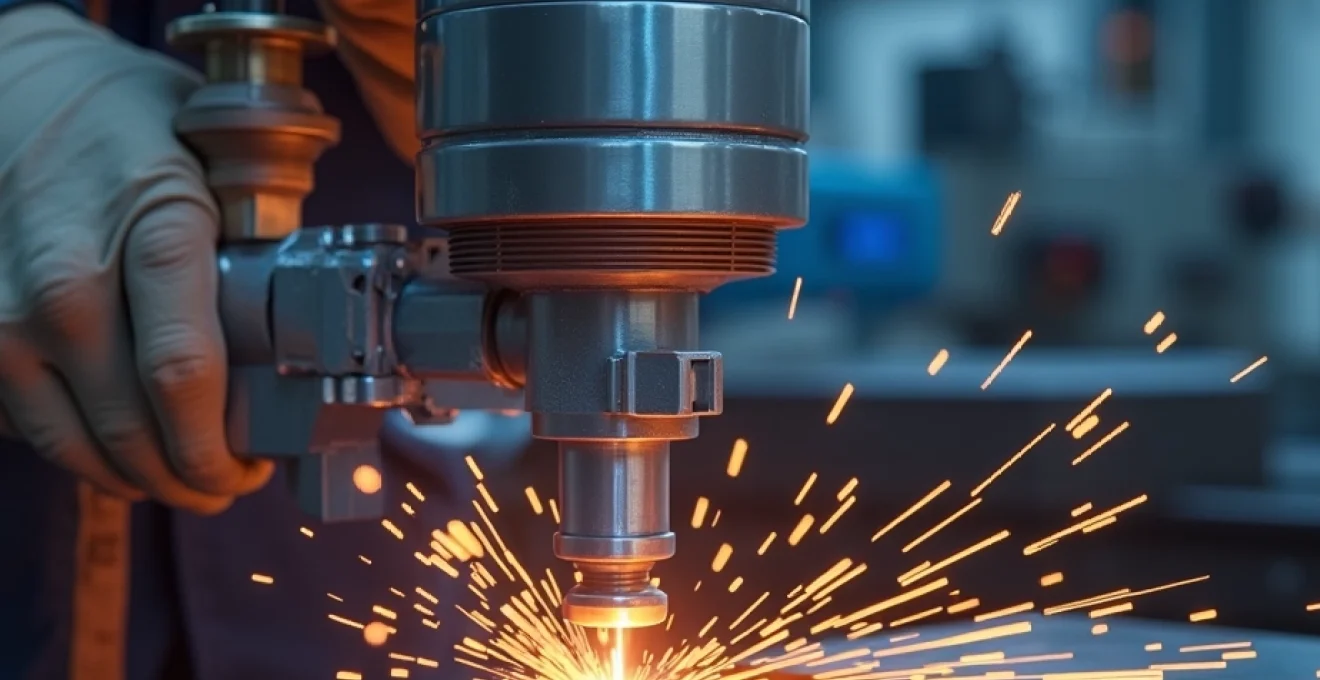
Modern metal fabrication facilities rely heavily on oxygen to achieve precise cuts, enhanced combustion efficiency, and optimal oxidation processes across various industrial applications. From automotive manufacturing to shipbuilding operations, oxygen serves as the cornerstone gas that enables fabricators to process thick steel sections, maintain consistent cutting quality, and achieve production targets that would be impossible using ambient air alone. The strategic implementation of oxygen-enhanced systems has revolutionised how fabrication plants approach everything from basic oxy-fuel cutting to advanced laser-assisted operations.
Understanding the role of oxygen in metal fabrication extends beyond simple combustion support. The gas functions as both a cutting medium and a process enhancer, creating exothermic reactions that generate additional heat energy whilst simultaneously removing molten material from cut zones. This dual functionality makes oxygen indispensable for operations requiring high-speed processing of carbon steel, stainless steel, and various alloy compositions. Modern fabrication plants that optimise their oxygen utilisation typically see productivity improvements of 20-45% compared to traditional air-based systems, alongside significant reductions in post-processing requirements.
Oxygen purity standards and gas supply systems for metal fabrication operations
The foundation of any successful oxygen-enhanced fabrication operation lies in maintaining appropriate gas purity levels and implementing robust supply infrastructure. Metal fabrication plants must carefully balance purity requirements against operational costs, as different applications demand varying levels of gas quality to achieve optimal performance. Understanding these requirements enables facility managers to make informed decisions about supply systems that support both current operations and future expansion plans.
Industrial grade oxygen specifications: 99.5% vs 99.9% purity requirements
Industrial oxygen specifications typically range from 99.5% to 99.9% purity, with each grade serving distinct purposes within fabrication environments. Standard industrial-grade oxygen at 99.5% purity proves sufficient for most oxy-fuel cutting applications, providing reliable performance whilst maintaining cost-effectiveness for high-volume operations. This purity level contains minimal impurities that do not significantly impact cutting quality or flame characteristics in typical steel processing applications.
High-purity oxygen at 99.9% becomes essential for precision applications requiring superior edge quality and enhanced cutting speeds. The additional purity translates to more complete combustion reactions, resulting in cleaner cuts with reduced oxidation along cut edges. Fabrication plants processing thin-gauge materials or requiring minimal heat-affected zones often specify this higher grade to achieve the precise tolerances demanded by aerospace and precision engineering applications.
Cryogenic liquid oxygen storage tanks and vaporisation systems
Large-scale fabrication facilities typically employ cryogenic liquid oxygen storage systems to ensure reliable, high-volume gas supply whilst minimising storage footprint requirements. These systems store oxygen at approximately -183°C in vacuum-insulated tanks, with capacities ranging from 1,000 to 50,000 gallons depending on facility consumption patterns. Liquid storage provides significant cost advantages for operations consuming more than 1,000 cubic metres monthly, as the gas cost per unit decreases substantially compared to cylinder supply methods.
Vaporisation systems convert stored liquid oxygen back to gaseous form through ambient air vaporisers or electrically heated units, depending on climate conditions and flow rate requirements. Proper vaporiser sizing ensures consistent gas supply during peak demand periods , preventing pressure drops that could compromise cutting performance. Modern systems incorporate automatic switchover capabilities and telemetry monitoring, enabling facility managers to track consumption patterns and schedule deliveries proactively.
PSA oxygen generators for On-Site production in Large-Scale facilities
Pressure Swing Adsorption (PSA) oxygen generators offer fabrication plants the opportunity to produce their own oxygen on-site, eliminating dependency on external gas suppliers whilst providing long-term cost stability. These systems operate by separating oxygen from ambient air using molecular sieve materials, producing oxygen at purities ranging from 90% to 95% for most industrial applications. PSA generators become economically attractive for facilities consuming more than 500 cubic metres monthly, with payback periods typically ranging from 18 to 36 months.
Modern PSA systems incorporate advanced control algorithms that automatically adjust production rates based on demand patterns, ensuring optimal energy efficiency whilst maintaining consistent gas quality. The technology proves particularly valuable for fabrication plants located in remote areas where gas delivery logistics present challenges, or for facilities requiring guaranteed supply continuity for critical production schedules. However, plant managers must consider that PSA-generated oxygen may require additional purification for applications demanding higher purity levels.
Gas distribution networks: manifold systems and pressure regulation
Effective oxygen distribution networks form the backbone of efficient fabrication operations, requiring careful design to maintain consistent pressure and flow rates across multiple cutting stations. Manifold systems serve as centralised distribution points, enabling facilities to supply numerous cutting torches from a single source whilst maintaining individual pressure control at each workstation. Proper manifold design incorporates automatic changeover capabilities, ensuring uninterrupted supply when primary sources require maintenance or replacement.
Pressure regulation systems must accommodate varying demands from different cutting applications, with plasma systems typically requiring 22-30 bar pressure whilst oxy-fuel cutting operates effectively at 2-6 bar. Distribution networks constructed from stainless steel piping ensure contamination-free gas delivery , preventing impurities that could compromise cutting performance or damage expensive laser optics. Regular system maintenance and leak detection programmes help fabrication plants maintain optimal network performance whilst minimising gas waste.
Oxy-fuel cutting technologies and flame optimisation techniques
Oxy-fuel cutting remains the most versatile and cost-effective method for processing thick steel sections in fabrication environments, with oxygen playing the primary role in both flame generation and material removal processes. The technology’s effectiveness stems from the chemical reaction between oxygen and heated steel, creating iron oxides that are blown away by the oxygen jet whilst simultaneously generating additional heat to maintain the cutting process. Modern oxy-fuel systems have evolved significantly from traditional manual operations, incorporating advanced torch designs, automated cutting machines, and sophisticated flame control systems that optimise both cutting quality and operational efficiency.
Acetylene-oxygen flame characteristics for carbon steel cutting
Acetylene-oxygen flames produce the highest temperatures available from commercial fuel gas combinations, reaching approximately 3,500°C and making them ideal for cutting thick carbon steel sections. The rapid combustion characteristics of acetylene create an intense, concentrated flame that enables precise piercing and efficient cutting speeds on materials up to 300mm thick. This fuel combination proves particularly effective for manual cutting operations where portability and quick setup are essential requirements.
Flame adjustment becomes critical for achieving optimal cutting performance, with neutral flames providing the best balance for most applications. Slightly reducing flames with excess acetylene can improve cut quality on certain steel grades , whilst oxidising flames with excess oxygen increase cutting speed but may compromise edge quality. Professional operators develop expertise in flame adjustment techniques that account for material composition, thickness, and desired edge characteristics.
Propane-oxygen systems for heavy plate fabrication applications
Propane-oxygen cutting systems offer significant cost advantages for heavy plate fabrication, particularly when processing materials exceeding 50mm thickness where cutting speed becomes less critical than operating economics. Propane costs substantially less than acetylene whilst providing adequate flame temperature for effective steel cutting, making it the preferred choice for shipbuilding, structural fabrication, and other high-volume applications. The longer flame characteristics of propane-oxygen combinations also provide better preheat distribution, beneficial when cutting thick sections.
Modern propane cutting systems incorporate advanced torch designs that optimise fuel-oxygen mixing ratios, compensating for propane’s lower flame temperature compared to acetylene. These systems often feature multi-flame torches that provide enhanced preheating capabilities whilst maintaining precise cutting jet characteristics.
Propane-oxygen systems can reduce fuel costs by 40-60% compared to acetylene whilst maintaining acceptable cutting quality for most structural steel applications.
Multi-flame cutting torch configurations for production efficiency
Multi-flame cutting systems revolutionise production efficiency in fabrication plants by enabling simultaneous cutting of multiple parts or complex profiles requiring several parallel cuts. These configurations typically incorporate 2-12 individual cutting heads mounted on precise positioning systems, allowing operators to complete complex cutting patterns in single passes. The technology proves particularly valuable for producing repetitive components such as structural brackets, gusset plates, and pipe saddles.
Oxygen distribution for multi-flame systems requires careful engineering to ensure consistent pressure and flow rates across all cutting positions. Individual flame control systems enable operators to adjust cutting parameters for each torch independently, accommodating variations in material thickness or cutting requirements within the same setup. Advanced multi-flame systems incorporate computerised control systems that can automatically adjust flame characteristics and cutting speeds based on programmed cutting sequences.
Preheating temperature control using Oxygen-Enhanced combustion
Effective preheating control represents a critical factor in achieving consistent cutting quality, with oxygen-enhanced combustion providing precise temperature management capabilities. Preheating flames must achieve sufficient temperature to initiate the iron-oxygen reaction whilst avoiding excessive heat input that could cause material distortion or poor cut quality. Modern cutting systems incorporate temperature monitoring and automatic flame adjustment to maintain optimal preheating conditions throughout the cutting process.
Oxygen flow rate adjustments during preheating enable operators to compensate for varying material thicknesses and ambient conditions that affect heat dissipation rates. Proper preheating technique reduces piercing time by 30-50% whilst improving overall cut quality , particularly important when processing thick sections or materials with challenging metallurgical characteristics. Advanced preheating systems can automatically adjust flame parameters based on material thickness and cutting speed requirements.
Plasma arc cutting with Oxygen-Enhanced performance parameters
Plasma arc cutting technology leverages oxygen’s oxidising properties to achieve superior cutting performance on ferrous materials, combining the intense heat of an electric arc with the chemical reactivity of oxygen to create exceptionally clean, fast cuts. When oxygen serves as the plasma gas, the cutting process benefits from both the thermal energy of the plasma arc and the exothermic reaction between oxygen and the heated steel, resulting in cutting speeds that can exceed oxy-fuel cutting by 300-500% on materials up to 50mm thick. This dual-action cutting mechanism makes oxygen-plasma systems particularly effective for high-volume production environments where speed and edge quality are paramount concerns.
High-frequency plasma systems utilising pure oxygen as cutting gas
High-frequency plasma systems using pure oxygen as the cutting gas represent the pinnacle of plasma cutting technology for carbon steel applications, delivering exceptional cut quality with minimal heat-affected zones. These systems operate at frequencies exceeding 20kHz, creating extremely stable plasma arcs that maintain consistent cutting characteristics even at high travel speeds. The use of pure oxygen as both the plasma and shield gas simplifies system design whilst optimising the chemical cutting reaction.
Pure oxygen plasma systems achieve remarkable cutting speeds on thin to medium thickness materials, with 10mm carbon steel cutting at speeds exceeding 8 metres per minute whilst maintaining square, oxide-free edges. The technology proves particularly valuable for sheet metal fabrication where high productivity and minimal secondary processing are essential requirements. Pure oxygen systems typically consume 40-60% less gas than dual-gas configurations , providing significant operational cost advantages for high-volume applications.
Oxygen flow rate optimisation for different material thicknesses
Optimising oxygen flow rates across different material thicknesses requires understanding the relationship between plasma energy density, gas flow dynamics, and chemical reaction rates within the cutting process. Thin materials (1-10mm) typically require lower oxygen flow rates to prevent excessive oxidation and maintain precise cut geometry, whilst thick sections (25-50mm) benefit from higher flow rates that enhance the chemical cutting action and improve molten material removal efficiency.
Flow rate calculations must account for both the plasma gas requirements and secondary gas flows used for arc constriction and workpiece shielding. Modern plasma systems incorporate automatic flow control systems that adjust oxygen delivery based on material thickness settings, ensuring optimal performance across varying cutting conditions.
Proper oxygen flow optimisation can improve cutting speeds by 25-35% whilst reducing consumable wear and extending equipment service life.
Dual-gas plasma configuration: Nitrogen-Oxygen combinations
Dual-gas plasma configurations utilising nitrogen-oxygen combinations offer fabrication plants the flexibility to optimise cutting performance for different material types within the same system. These configurations typically use nitrogen as the primary plasma gas for arc stability whilst employing oxygen as a secondary gas to enhance the cutting reaction on ferrous materials. The approach enables facilities to process both carbon steel and stainless steel effectively without requiring complete system changeover between materials.
Gas switching systems in dual-gas configurations must maintain precise control over mixture ratios to ensure consistent cutting performance and prevent cross-contamination between gas supplies. Advanced systems incorporate automatic gas selection based on programmed cutting parameters, enabling operators to process mixed-material cutting jobs without manual intervention. The technology proves particularly valuable for job shops and fabricators handling diverse material specifications within single production runs.
Pierce delay settings and oxygen pressure calibration methods
Pierce delay settings become critical when using oxygen-enhanced plasma systems, as the initial piercing phase must establish proper plasma arc characteristics before introducing full oxygen flow for the cutting reaction. Excessive piercing delays waste time and consumables, whilst insufficient delays can result in poor pierce quality and premature consumable failure. Modern plasma systems incorporate adaptive piercing algorithms that automatically adjust delay times based on material thickness and cutting conditions.
Oxygen pressure calibration requires precise coordination between plasma gas pressure, secondary gas pressure, and arc current settings to achieve optimal cutting performance. Pressure variations of just 0.5 bar can significantly affect cut quality and consumable life , making accurate calibration essential for maintaining consistent results. Regular calibration procedures help fabrication plants maintain optimal system performance whilst minimising operating costs and consumable consumption rates.
Oxidation process control in steel manufacturing and heat treatment
Oxidation process control within steel manufacturing and heat treatment operations represents one of the most critical applications of oxygen in metal fabrication environments, where precise atmospheric control determines final product quality and metallurgical properties. Unlike cutting applications where oxidation removes unwanted material, controlled oxidation in manufacturing processes serves to purify steel, form protective surface layers, or create specific microstructures essential for achieving desired mechanical properties. Modern steel plants and heat treatment facilities employ sophisticated oxygen injection systems that can precisely regulate oxidation rates, enabling the production of high-quality steel grades with consistent properties across large production volumes.
The science behind controlled oxidation involves managing the chemical reactions between oxygen and various elements within the steel matrix, including carbon, silicon, manganese, and phosphorus. Each element exhibits different reaction kinetics and thermodynamic preferences, requiring careful temperature and oxygen partial pressure control to achieve selective oxidation of unwanted impurities whilst preserving desirable alloying elements. Advanced process control systems monitor real-time steel composition and automatically adjust oxygen injection rates to maintain optimal oxidation conditions throughout the treatment cycle.
Basic oxygen steelmaking represents the largest single application of oxygen in steel manufacturing, where pure oxygen is injected into molten iron to remove excess carbon and other impurities through controlled oxidation reactions. This process typically requires 50-60 cubic metres of oxygen per tonne of steel produced, making it one of the most oxygen-intensive industrial processes globally. The exothermic nature of these oxidation reactions provides substantial energy input to the steelmaking process, reducing the need for external heating whilst achieving rapid purification rates that enable high productivity levels.
Heat treatment applications utilise controlled oxidation to create specific surface conditions or internal microstructures that enhance steel performance in service applications. Oxidation-assisted annealing processes use carefully regulated oxygen atmospheres to promote grain refinement whilst preventing excessive decarburisation that could compromise surface hardness. Similarly, controlled oxidation during tempering operations can produce surface oxide layers that improve corrosion resistance without significantly affecting bulk mechanical properties.
Laser cutting operations enhanced by oxygen assist gas technology
Laser cutting operations achieve remarkable performance improvements when enhanced by oxygen assist gas technology, combining the precision of focused laser energy with the chemical cutting action of oxygen to create exceptionally fast, clean cuts in ferrous materials. The laser beam provides concentrated thermal energy that rapidly heats the material to ignition temperature, whilst the oxygen assist gas initiates an exothermic oxidation reaction that generates additional heat energy and blows molten material away from the cut kerf. This synergistic effect enables laser cutting systems to process thick steel sections at speeds that would be impossible using laser energy alone, making oxygen-assisted laser cutting the preferred method for high-volume sheet metal fabrication.
The implementation of oxygen assist gas requires precise control over gas pressure, flow rate, and nozzle design to achieve optimal cutting performance across different material thicknesses and cutting speeds. Gas pressures typically range from 0.5 to 6 bar depending on material thickness, with thin sheets requiring lower pressures to prevent excessive oxidation whilst thick sections benefit from higher pressures that enhance the chemical cutting reaction. Modern laser cutting systems incorporate adaptive gas control that automatically adjusts oxygen parameters based on programmed cutting conditions, ensuring consistent results across varying material specifications.
Nozzle design plays a crucial role in oxygen-assisted laser cutting performance, with the gas delivery geometry affecting both cut quality and processing speed. Coaxial nozzle designs deliver oxygen concentrically around the laser beam, providing uniform gas distribution
and optimal gas flow characteristics across the cut zone. Advanced nozzle designs incorporate multi-stage gas delivery systems that can provide different pressure zones for piercing and cutting phases, optimising performance for each stage of the cutting process.
Gas purity requirements for laser cutting applications are typically more stringent than those for plasma or oxy-fuel cutting, with most systems requiring oxygen purity levels of 99.95% or higher to prevent contamination of laser optics. Impurities in the assist gas can create deposits on focusing lenses and protective windows, leading to reduced beam quality and expensive optical component replacement. High-purity oxygen also enables more predictable oxidation reactions that produce consistent cut edge characteristics, essential for applications requiring precise dimensional tolerances and surface finish specifications.
The integration of oxygen assist gas technology with modern fiber laser systems has revolutionised sheet metal fabrication productivity, enabling cutting speeds exceeding 40 metres per minute on thin carbon steel whilst maintaining exceptional edge quality. These systems typically incorporate real-time gas flow monitoring and automatic pressure adjustment based on cutting parameters, ensuring optimal performance across varying material conditions. Advanced laser cutting systems can automatically switch between nitrogen and oxygen assist gases based on material type and thickness requirements, maximising versatility for mixed-material production runs.
Safety protocols and oxygen handling procedures in industrial environments
Safety protocols for oxygen handling in metal fabrication environments require comprehensive risk management strategies that address the unique hazards associated with oxygen-enriched atmospheres and high-pressure gas systems. Unlike inert gases, oxygen dramatically accelerates combustion reactions, turning seemingly harmless materials into serious fire hazards whilst increasing the intensity and spread rate of any ignition sources. Industrial facilities must implement multi-layered safety approaches that encompass equipment design, operational procedures, emergency response planning, and ongoing personnel training to maintain safe working conditions around oxygen-enhanced systems.
The fundamental principle governing oxygen safety centres on understanding that oxygen itself is not flammable, but it vigorously supports and accelerates combustion of other materials. This means that clothing, tools, and equipment that would normally resist ignition can become highly combustible in oxygen-enriched environments. Even materials typically considered fire-resistant can ignite spontaneously when contaminated with oils or greases in oxygen-rich atmospheres, making cleanliness and contamination control critical safety factors throughout fabrication operations.
Personal protective equipment specifications for oxygen handling operations must address both the direct hazards of oxygen exposure and the increased fire risks associated with oxygen-enriched environments. Flame-resistant clothing becomes mandatory for personnel working near oxygen systems, with synthetic materials strictly prohibited due to their tendency to melt and adhere to skin when exposed to high temperatures. Eye protection must provide adequate coverage against flash burns from oxygen-enhanced flames, whilst respiratory protection may be required in enclosed spaces where oxygen concentrations could exceed safe levels.
Equipment maintenance protocols for oxygen systems require specialised procedures that ensure complete removal of hydrocarbon contaminants from all components. Standard industrial cleaning procedures prove insufficient for oxygen service, as trace amounts of oils or greases can react violently with high-pressure oxygen. Oxygen-compatible lubricants and cleaning agents must be used exclusively on system components, with regular inspection schedules to verify contamination-free conditions. Maintenance personnel require specialised training in oxygen-safe work practices and emergency response procedures specific to oxygen-related incidents.
Facility design considerations for oxygen-enhanced fabrication operations must incorporate appropriate ventilation systems, fire suppression capabilities, and emergency shutdown procedures. Ventilation systems must prevent oxygen accumulation in work areas whilst providing adequate air exchange rates to maintain safe atmospheric conditions. Fire suppression systems require careful selection to avoid conflicts with oxygen-enhanced combustion, with some traditional suppression methods proving ineffective or even counterproductive in oxygen-enriched environments.
Proper implementation of oxygen safety protocols can reduce incident rates by 80-90% whilst ensuring compliance with occupational safety regulations and insurance requirements.
Emergency response procedures for oxygen-related incidents must address the unique characteristics of oxygen-enhanced fires and the potential for rapid escalation of seemingly minor incidents. Emergency shutdown systems must be capable of isolating oxygen supplies quickly whilst maintaining safe evacuation routes for personnel. Training programmes must include hands-on experience with emergency procedures and regular drills to ensure personnel can respond effectively under stress conditions.
Storage and handling procedures for oxygen cylinders and bulk systems require strict adherence to pressure vessel regulations and gas-specific safety requirements. Cylinder handling equipment must be designed to prevent valve damage that could result in rapid gas release, whilst storage areas must maintain appropriate separation distances from combustible materials and ignition sources. Regular leak detection programmes using appropriate monitoring equipment help identify potential hazards before they develop into serious safety incidents.
Documentation and record-keeping requirements for oxygen safety programmes must demonstrate compliance with applicable regulations whilst providing audit trails for incident investigation and continuous improvement efforts. Safety management systems should incorporate regular risk assessments, near-miss reporting, and performance metrics that track both leading and lagging indicators of safety performance. This comprehensive approach ensures that oxygen handling procedures remain effective as facilities expand or modify their operations over time.