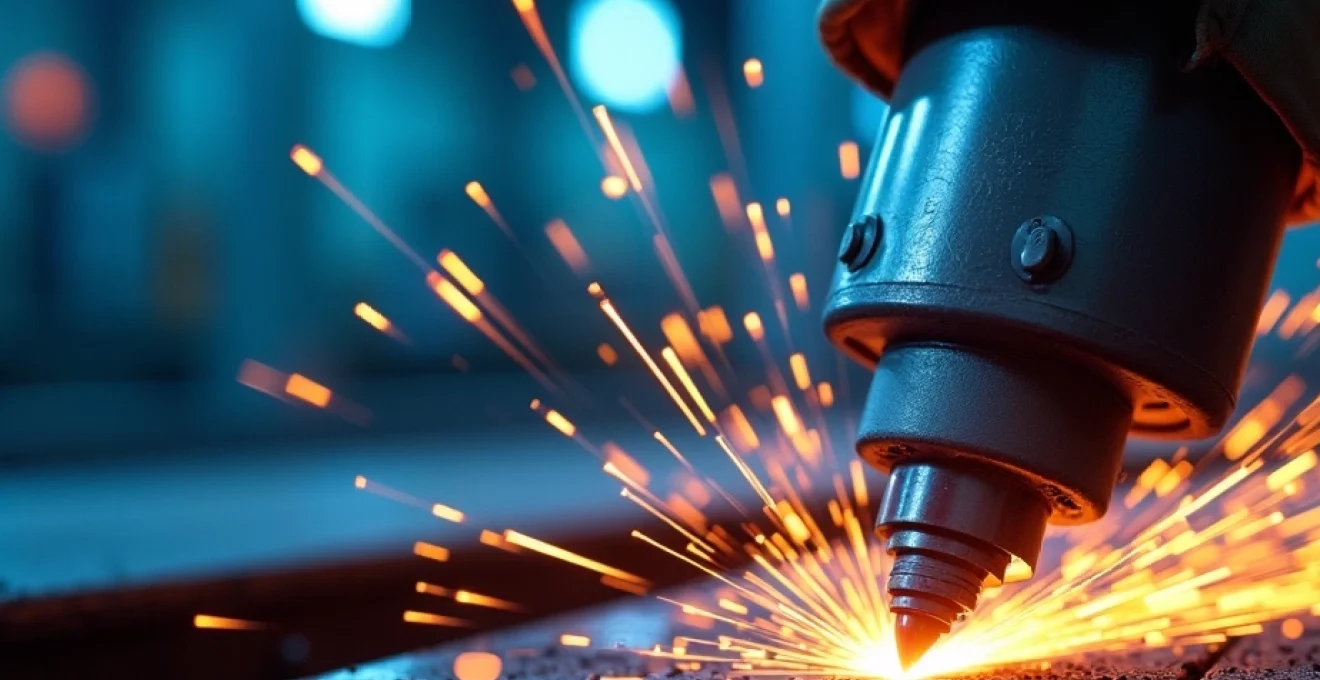
Oxygen serves as the cornerstone of modern metal fabrication, transforming cutting operations from labour-intensive manual processes into precision-driven industrial applications. In manufacturing environments worldwide, oxygen’s role extends far beyond simple combustion support, functioning as a critical catalyst that enables high-temperature reactions, accelerates material removal, and ensures consistent cut quality across diverse metallurgical applications. The strategic implementation of oxygen systems in fabrication facilities has revolutionised production capabilities, enabling manufacturers to achieve cutting speeds up to 300% faster than conventional methods whilst maintaining exceptional edge quality and dimensional accuracy.
Metal fabrication plants increasingly rely on sophisticated oxygen delivery systems to meet demanding production schedules and stringent quality requirements. From automotive chassis manufacturing to shipyard steel processing, oxygen-assisted cutting technologies have become indispensable for achieving competitive throughput rates. The precise control of oxygen flow rates, purity levels, and delivery pressures directly impacts operational efficiency, material utilisation, and ultimately, profitability in today’s competitive manufacturing landscape.
Oxygen purity standards and gas supply systems for metal cutting applications
Industrial oxygen purity requirements vary significantly across different cutting applications, with most thermal cutting processes demanding oxygen concentrations between 99.5% and 99.8% for optimal performance. High-purity oxygen enables complete combustion reactions whilst minimising unwanted chemical interactions that could compromise cut quality or increase dross formation. Commercial-grade oxygen typically contains trace amounts of nitrogen, argon, and water vapour, which must be carefully controlled to prevent oxidation issues or flame instability during cutting operations.
High-pressure oxygen delivery networks in industrial fabrication facilities
Modern fabrication facilities utilise sophisticated high-pressure distribution networks operating between 150-300 PSI to ensure consistent oxygen delivery across multiple cutting stations. These systems incorporate primary and secondary regulators, flash arrestors, and pressure relief devices to maintain safe operating conditions whilst providing stable gas flow. Network design considerations include pipe sizing calculations, pressure drop analyses, and strategic placement of isolation valves to enable maintenance without disrupting production schedules.
Distribution manifolds serve as central control points, allowing operators to monitor system pressure, detect leaks, and adjust flow rates for individual cutting stations. Advanced facilities integrate digital pressure monitoring systems that provide real-time data on consumption patterns, enabling predictive maintenance scheduling and optimised gas procurement strategies. The implementation of redundant supply lines ensures uninterrupted operation even during equipment servicing or unexpected component failures.
99.5% purity requirements for precision Oxy-Fuel cutting operations
Precision oxy-fuel cutting operations require oxygen purity levels of 99.5% or higher to achieve clean, oxidation-free cut edges essential for subsequent welding or assembly processes. Lower purity levels result in incomplete combustion, increased slag formation, and compromised metallurgical properties in the heat-affected zone. Quality control protocols include regular purity testing using portable oxygen analysers and maintaining detailed logs of gas supplier certifications to ensure consistent performance standards.
The relationship between oxygen purity and cutting performance becomes particularly critical when processing high-carbon steels or specialty alloys. Industrial-grade oxygen with purity levels below 99% can introduce impurities that create surface contamination, requiring additional post-processing operations that increase production costs and extend delivery schedules. Investment in high-purity oxygen systems typically pays dividends through reduced material waste and improved first-pass quality rates.
Cryogenic oxygen storage tank specifications and safety protocols
Cryogenic oxygen storage systems maintain liquid oxygen at temperatures below -183°C, requiring specialised vacuum-insulated tanks designed to minimise heat transfer and prevent pressure build-up. Tank specifications typically range from 1,000 to 50,000 gallons capacity, with selection based on facility consumption rates and delivery logistics. Safety protocols mandate minimum separation distances from combustible materials, adequate ventilation systems, and emergency response procedures for potential leak scenarios.
Vaporiser systems convert liquid oxygen to gaseous form whilst maintaining precise temperature and pressure control. These units incorporate heating elements, pressure regulators, and safety interlocks to ensure stable gas supply during varying demand conditions. Regular inspection schedules include vacuum integrity testing, safety valve calibration, and vapour line inspection to prevent moisture ingress that could cause blockages or equipment damage.
Manifold systems and pressure regulation for Multi-Station cutting lines
Multi-station cutting facilities require sophisticated manifold systems capable of distributing oxygen at consistent pressures whilst accommodating varying consumption rates across different cutting operations. Primary manifolds typically operate at reduced pressures of 100-150 PSI, with secondary regulators providing final pressure adjustment at individual cutting stations. System design incorporates pressure sensors, flow meters, and automated switching valves to maintain uninterrupted supply during cylinder changeovers or maintenance activities.
Advanced manifold configurations include dual-bank automatic changeover systems that seamlessly switch between primary and reserve gas supplies without interrupting cutting operations. These systems incorporate pressure differential switches and alarm systems that alert operators when reserve supplies are activated, ensuring adequate time for primary supply replenishment. Installation considerations include proper ventilation, fire protection systems, and accessibility for routine maintenance and emergency response activities.
Oxy-fuel cutting technologies and flame optimisation parameters
Oxy-fuel cutting technology harnesses the exothermic oxidation reaction between oxygen and iron to achieve rapid material removal whilst maintaining precise kerf geometries. The process requires careful balance between preheat flame temperature, cutting oxygen pressure, and travel speed to optimise cut quality and minimise heat-affected zone dimensions. Modern oxy-fuel systems achieve cutting speeds up to 100 inches per minute on mild steel applications, with kerf widths as narrow as 0.125 inches on materials up to 12 inches thick.
Flame optimisation involves adjusting the fuel-to-oxygen ratio to achieve neutral, oxidising, or carburising flame characteristics depending on material requirements and cutting specifications. Neutral flames provide balanced heating for most carbon steel applications, whilst slightly oxidising flames enhance cutting speed on thicker sections. The precise control of these parameters directly impacts edge quality, dimensional accuracy, and subsequent processing requirements.
Acetylene-oxygen flame temperature control for carbon steel processing
Acetylene-oxygen combustion produces the highest flame temperatures available in commercial oxy-fuel systems, reaching approximately 3,200°C under optimal conditions. This intense heat enables rapid preheating of carbon steel substrates whilst providing sufficient thermal energy to initiate and sustain the oxidation reaction. Flame temperature control requires precise adjustment of gas flow rates, with typical acetylene-to-oxygen ratios ranging from 1:1 for maximum temperature to 1:1.2 for balanced cutting characteristics.
Carbon steel processing benefits from acetylene’s rapid flame propagation and intense heat concentration, enabling clean pierce operations and consistent cut initiation. The high temperature capability proves particularly advantageous when cutting thick sections or materials with high thermal conductivity. However, acetylene’s inherent instability at pressures above 15 PSI requires specialised handling procedures and safety equipment to prevent decomposition-related incidents.
Propane-oxygen cutting systems for thick section steel fabrication
Propane-oxygen systems offer cost-effective alternatives for thick section steel cutting applications where maximum flame temperature is less critical than consistent heat distribution and prolonged cutting duration. Propane’s lower flame temperature of approximately 2,800°C provides gentler preheating characteristics that reduce thermal stress and distortion in heavy plate applications. The fuel’s stability at higher pressures enables simplified handling procedures and reduced safety equipment requirements compared to acetylene systems.
Economic considerations favour propane systems for high-volume cutting operations due to lower fuel costs and simplified storage requirements. Propane’s excellent heat distribution characteristics make it particularly suitable for cutting operations on plates exceeding 6 inches thickness, where uniform preheating across the material cross-section becomes critical for achieving consistent cut quality. Modern propane cutting systems incorporate electronic ignition, automatic flame failure detection, and programmable heating cycles to optimise performance and ensure operator safety.
Natural Gas-Oxygen applications in heavy plate cutting operations
Natural gas-oxygen cutting systems provide the most economical fuel option for heavy plate cutting operations where cutting speed is less critical than operational cost control. Natural gas flames produce temperatures around 2,700°C, requiring longer preheating times but offering superior flame stability and reduced equipment maintenance requirements. These systems excel in applications involving continuous cutting operations on materials exceeding 8 inches thickness, where fuel consumption becomes a significant cost factor.
Infrastructure requirements for natural gas systems include pipeline connections, pressure regulation equipment, and safety shutdown systems to ensure reliable fuel supply whilst maintaining safe operating conditions. The clean-burning characteristics of natural gas result in reduced tip maintenance requirements and extended consumable life compared to other fuel options. Heavy plate fabrication facilities often implement natural gas systems for rough cutting operations, reserving higher-temperature fuels for precision work requiring superior cut quality.
Preheating flame adjustment techniques for alloy steel materials
Alloy steel materials require modified preheating techniques to accommodate their different thermal properties and oxidation characteristics compared to carbon steels. Chromium-containing alloys form protective oxide layers that resist cutting oxygen penetration, necessitating higher preheat temperatures and modified flame adjustments to achieve successful cut initiation. Flame adjustment techniques include increasing fuel flow rates, extending preheat duration, and optimising tip selection to concentrate heat input whilst avoiding excessive material dilution.
Stainless steel cutting operations require careful flame management to prevent chromium carbide precipitation and maintain corrosion resistance in cut edges. Specialised cutting techniques incorporate neutral or slightly reducing flames to minimise oxidation whilst providing sufficient heat input for cut penetration. Advanced alloy cutting systems integrate temperature monitoring equipment and automated flame control systems to maintain optimal thermal conditions throughout the cutting cycle, ensuring consistent metallurgical properties and dimensional accuracy.
Plasma arc cutting with oxygen assist gas integration
Plasma arc cutting with oxygen assist gas represents a sophisticated fusion of thermal and mechanical cutting principles, combining the intense heat of ionised gas with the oxidising properties of oxygen to achieve exceptional cut speeds and edge quality. This technology proves particularly effective on mild steel applications where the exothermic reaction between oxygen and iron provides additional energy to accelerate the cutting process. Modern plasma systems achieve cutting speeds up to 500 inches per minute on thin materials whilst maintaining edge angles within ±1 degree of perpendicular.
The integration of oxygen assist gas in plasma cutting operations can increase cutting speeds by up to 40% compared to air plasma systems whilst significantly improving edge quality and reducing dross formation on the bottom edge of cut parts.
Oxygen assist systems require precise gas flow control to balance plasma stability with oxidation enhancement. Excessive oxygen flow can destabilise the plasma arc, resulting in irregular cut geometry and increased consumable wear. Conversely, insufficient oxygen flow fails to optimise the cutting reaction, reducing speed and compromising edge quality. Advanced plasma systems incorporate real-time gas flow monitoring and automatic adjustment capabilities to maintain optimal cutting conditions across varying material thicknesses and cutting speeds.
High-definition plasma systems using oxygen for mild steel applications
High-definition plasma systems utilise oxygen as both the plasma gas and assist gas to achieve superior cut quality on mild steel applications ranging from 16-gauge sheet to 2-inch plate thickness. These systems operate at higher current densities and incorporate advanced torch designs that produce narrower plasma arcs with improved energy concentration. The result is kerf widths as narrow as 0.050 inches with minimal heat-affected zones and virtually dross-free bottom edges that eliminate secondary finishing operations.
Consumable technology in high-definition oxygen plasma systems features precision-machined electrodes and nozzles designed to optimise gas flow patterns and arc stability. Hafnium or silver electrodes provide extended life in oxygen environments, whilst precision-orifice nozzles ensure consistent gas flow distribution. System maintenance protocols include regular consumable inspection, gas flow verification, and torch alignment procedures to maintain cutting performance and extend component life.
Secondary gas flow optimisation in lincoln electric tomahawk series
Lincoln Electric Tomahawk plasma systems incorporate sophisticated secondary gas flow control mechanisms that enable independent adjustment of plasma and assist gas parameters. This capability allows operators to optimise cutting performance for specific material types and thickness ranges whilst maintaining consistent arc stability. Secondary gas flow rates typically range from 10-50 CFH depending on material thickness, with higher flows required for thicker sections to ensure complete dross removal and edge quality maintenance.
The Tomahawk series features advanced torch cooling systems that enable sustained high-amperage operation whilst preventing thermal damage to consumable components. Integrated flow meters and pressure sensors provide real-time feedback on gas consumption and system performance, enabling predictive maintenance scheduling and cost control measures. Automated height control systems maintain optimal standoff distances throughout the cutting process, ensuring consistent gas flow effectiveness and cut quality regardless of material flatness variations.
Hypertherm powermax oxygen consumption rates and cut quality analysis
Hypertherm Powermax systems demonstrate exceptional oxygen utilisation efficiency, with consumption rates ranging from 8-35 CFH depending on amperage settings and material thickness. Cut quality analysis reveals that optimal oxygen flow rates produce edges with surface roughness values below 250 micro-inches, suitable for direct welding applications without additional preparation. The systems’ advanced arc starting technology minimises oxygen consumption during pierce operations whilst ensuring reliable cut initiation across varying material conditions.
Performance optimisation techniques for Powermax systems include proper torch height adjustment, appropriate travel speed selection, and regular consumable maintenance to ensure consistent oxygen flow characteristics. Cut quality monitoring protocols incorporate edge angle measurement, dross evaluation, and surface roughness testing to verify system performance and identify optimisation opportunities. Advanced systems integrate cutting parameter databases that automatically adjust oxygen flow rates based on material type, thickness, and desired cut quality specifications.
ESAB eagle plasma table integration with oxygen delivery systems
ESAB Eagle plasma cutting tables incorporate comprehensive oxygen delivery systems designed to support multiple torch operations whilst maintaining consistent gas purity and pressure throughout the cutting envelope. System integration includes centralised gas distribution manifolds, individual torch flow control, and automated gas switching capabilities for multi-process operations. The tables’ precision drive systems coordinate cutting speeds with gas flow rates to optimise both productivity and cut quality across varying part geometries and material specifications.
Advanced Eagle systems feature integrated fume extraction systems that capture cutting emissions whilst preventing atmospheric contamination of the oxygen supply. This closed-loop approach ensures consistent gas purity whilst meeting environmental compliance requirements and maintaining safe working conditions. System diagnostics include continuous monitoring of gas flow rates, pressure stability, and purity levels, with automatic alarm generation for conditions that could compromise cutting performance or operator safety.
Laser cutting oxygen assist parameters and process control
Laser cutting with oxygen assist gas leverages the intense energy density of focused laser beams combined with the oxidising properties of oxygen to achieve exceptional cutting speeds and edge quality on ferrous materials. This process proves particularly effective on carbon steel applications where the exothermic reaction between laser-heated material and oxygen provides additional energy to sustain the cutting process. Modern fibre laser systems with oxygen assist achieve cutting speeds exceeding 2,000 inches per minute on thin gauge materials whilst maintaining kerf widths below 0.010 inches.
Process control parameters include laser power density, oxygen flow rate, assist gas pressure, and cutting speed coordination to optimise material removal whilst minimising heat-affected zone formation. The precise control of these variables directly impacts cut quality, with optimal parameter combinations producing edges that require no secondary finishing operations. Advanced laser systems incorporate real-time process monitoring and adaptive control systems that automatically adjust parameters based on material feedback and cut quality requirements.
Oxygen assist pressure typically ranges from 0.5-6 bar depending on material thickness and cutting speed requirements, with higher pressures necessary for thicker sections to ensure complete slag removal and edge quality maintenance. The relationship between gas pressure and nozzle standoff distance becomes critical for maintaining consistent assist gas effectiveness whilst preventing nozzle damage from spatter or material debris.
Cutting parameter optimisation involves balancing multiple variables to achieve desired productivity and quality outcomes. Higher oxygen pressures increase cutting speeds but may produce rougher edge finishes, whilst lower pressures provide superior edge quality at reduced throughput rates. Modern laser cutting systems incorporate parameter databases that store optimised settings for various material types and thickness combinations, enabling rapid setup and consistent performance across different production runs.
Oxidation process control in thermal metal processing
Oxidation process control represents a critical aspect of thermal metal processing operations, where the controlled introduction of oxygen enables rapid material removal whilst maintaining dimensional accuracy and metallurgical integrity. The oxidation reaction between iron and oxygen produces iron oxide and releases substantial thermal energy that accelerates the cutting process beyond what heat input alone could achieve. Understanding and controlling this reaction enables fabricators to optimise cutting performance whilst preventing unwanted oxidation that could compromise material properties.
Temperature management during oxidation processes requires careful balance between heat input rate and material removal rate to maintain stable cutting conditions. Excessive temperatures can cause material melting and kerf widening, whilst insufficient temperatures prevent complete oxidation and result in incomplete cuts or excessive dross formation. Process monitoring systems incorporate temperature sensors, cutting force measurement, and real-time quality assessment to maintain optimal oxidation conditions throughout the
cutting process.
Controlled oxidation systems incorporate feedback mechanisms that monitor oxygen consumption rates, temperature profiles, and material removal efficiency to maintain optimal process conditions. These systems automatically adjust oxygen flow rates based on cutting speed variations, material thickness changes, and thermal feedback from the cutting zone. Advanced process control algorithms predict optimal oxidation parameters based on material chemistry, section geometry, and desired cut quality specifications, enabling consistent performance across diverse fabrication applications.
The prevention of unwanted oxidation in non-cutting areas requires precise gas flow control and strategic shielding techniques. Inert gas barriers protect adjacent surfaces from atmospheric oxygen exposure whilst maintaining optimal cutting conditions in the primary kerf. This selective oxidation control proves particularly important when processing pre-finished materials or components requiring specific surface conditions for subsequent coating or assembly operations.
Metallurgical considerations in oxidation process control include managing carbon migration, controlling grain structure evolution, and minimising residual stress formation in cut edges. The rapid heating and cooling cycles inherent in thermal cutting processes can alter material properties in the heat-affected zone, requiring careful process parameter selection to maintain specified mechanical properties. Quality control protocols incorporate hardness testing, microstructural analysis, and stress measurement to verify that oxidation process control maintains acceptable material characteristics throughout the cutting operation.
Safety protocols and oxygen handling procedures in manufacturing environments
Oxygen handling in manufacturing environments demands comprehensive safety protocols that address the unique hazards associated with oxidising gases in industrial settings. The primary safety concern involves oxygen’s ability to dramatically accelerate combustion reactions, transforming normally slow-burning materials into rapid fire hazards. Materials that are typically fire-resistant in ambient air can become highly flammable in oxygen-enriched environments, requiring modified handling procedures and enhanced fire prevention measures throughout fabrication facilities.
Personal protective equipment requirements for oxygen handling operations include fire-resistant clothing, safety glasses with side shields, and steel-toed footwear to protect against potential combustion incidents. Specialised oxygen-service clothing manufactured from aramid fibres or treated cotton provides superior protection against flash fires whilst maintaining comfort during extended work periods. Prohibited materials include synthetic fabrics, petroleum-based products, and any clothing contaminated with oils or solvents that could ignite spontaneously in oxygen-enriched atmospheres.
Equipment maintenance protocols for oxygen service require meticulous cleaning procedures to remove hydrocarbon contaminants that could cause explosive reactions. All oxygen system components undergo specialised cleaning using approved solvents, followed by thorough drying and leak testing before installation. Regular maintenance schedules include pressure testing, valve inspection, and seal replacement using oxygen-compatible materials specifically designed to resist degradation in high-purity oxygen environments.
Emergency response procedures for oxygen-related incidents include immediate area evacuation, oxygen supply isolation, and coordinated firefighting efforts using appropriate suppression agents. Oxygen fires burn significantly hotter and faster than conventional fires, requiring specialised extinguishing techniques and equipment designed for high-temperature suppression. Emergency response teams receive specific training on oxygen fire characteristics, ventilation requirements, and medical treatment procedures for oxygen-related injuries including thermal burns and respiratory complications.
Ventilation system design for oxygen handling areas incorporates mechanical exhaust systems capable of preventing oxygen accumulation whilst maintaining safe atmospheric conditions. Ventilation calculations account for potential leak scenarios, equipment off-gassing, and normal operational releases to ensure oxygen concentrations remain below combustion-enhancing levels. Monitoring systems include oxygen sensors with audible alarms, automatic ventilation activation, and emergency shutdown capabilities to prevent dangerous atmospheric conditions from developing during normal operations or equipment malfunctions.
Storage and distribution system safety features include pressure relief devices, emergency shutoff valves, and fire-resistant construction materials designed to contain potential incidents whilst enabling safe evacuation. Separation distances between oxygen storage and combustible materials follow established safety codes, with additional considerations for prevailing wind patterns, building ventilation, and emergency access requirements. Advanced facilities incorporate automated monitoring systems that continuously assess system integrity and provide early warning of potential safety hazards before they develop into emergency situations.
Proper oxygen handling procedures can reduce fire-related incidents by up to 85% compared to facilities without comprehensive safety protocols, whilst simultaneously improving operational efficiency through reduced equipment downtime and insurance costs.
Training programs for oxygen handling personnel cover gas properties, equipment operation, emergency procedures, and regulatory compliance requirements to ensure safe and effective operations. Certification requirements include written examinations, practical demonstrations, and periodic refresher training to maintain competency levels throughout employment. Documentation systems track training completion, incident reporting, and safety performance metrics to identify improvement opportunities and ensure continuous safety enhancement across all oxygen handling operations.