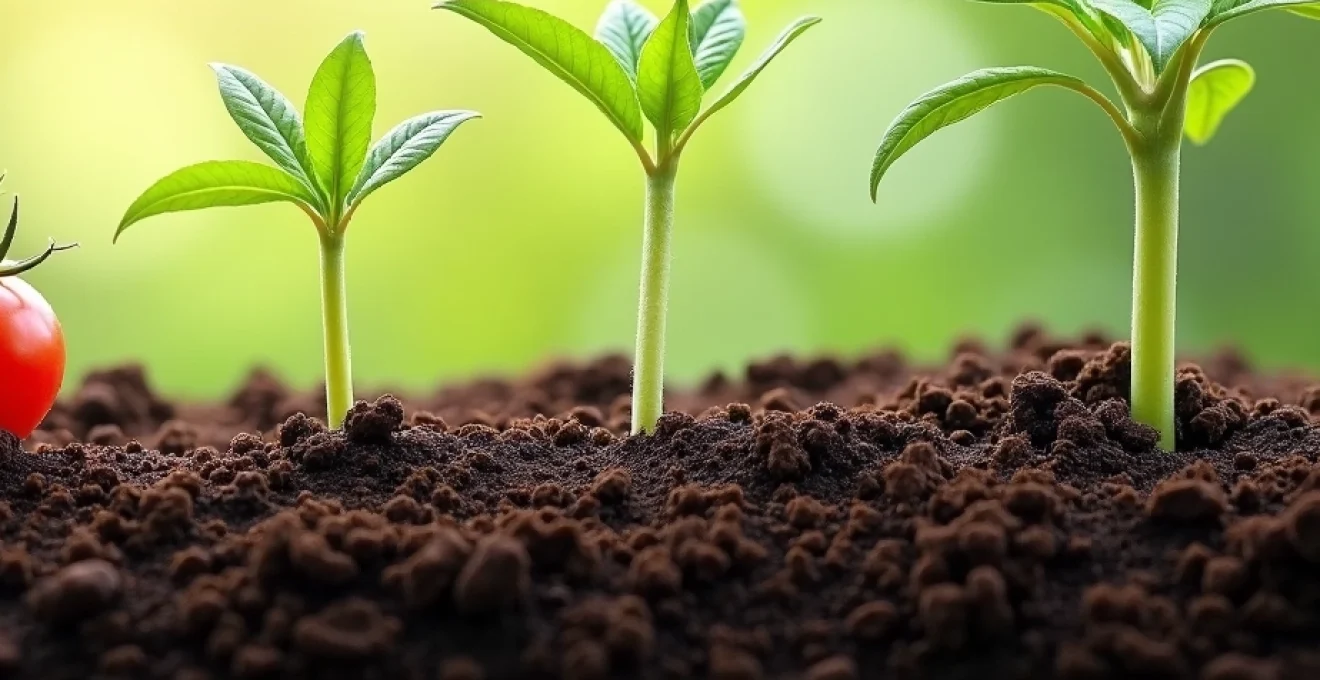
Seed germination represents one of the most critical phases in plant development, yet traditional growing environments often fail to provide optimal conditions for this delicate process. While many factors influence germination success, oxygen availability emerges as a frequently overlooked yet decisive element. Research consistently demonstrates that seeds germinating in oxygen-enriched environments show dramatically improved performance compared to those relying solely on atmospheric oxygen levels.
The difference between successful and failed germination often comes down to cellular respiration efficiency during the crucial imbibition phase. When seeds absorb water, their metabolic machinery must rapidly reactivate to support embryonic development. This process demands substantial energy production through aerobic pathways, making adequate oxygen supply essential for optimal outcomes. Commercial growers increasingly recognise that strategic oxygen enhancement can transform germination rates from mediocre to exceptional, particularly for challenging species or aged seed stocks.
Oxygen concentration requirements for enhanced seed germination
Understanding the precise oxygen requirements for different seed types forms the foundation of successful germination enhancement strategies. Seeds exhibit remarkable sensitivity to oxygen concentration variations, with even modest increases above atmospheric levels producing measurable improvements in germination performance.
Atmospheric vs enriched oxygen levels: 21% to 35% O2 analysis
Standard atmospheric conditions provide approximately 21% oxygen concentration, which represents the baseline for most germination protocols. However, research reveals that many species benefit significantly from elevated oxygen concentrations ranging from 25% to 35%. This enhancement range typically produces the most dramatic improvements without reaching potentially harmful levels.
Seeds germinating in 25-30% oxygen environments consistently demonstrate faster radicle emergence, improved root development, and enhanced overall vigour. The optimal concentration varies by species, but most vegetable crops show peak performance around 28-30% oxygen. Beyond 35% concentration, diminishing returns become apparent, and some species may experience oxidative stress that counteracts the benefits.
Species-specific oxygen thresholds for tomato and lettuce seeds
Tomato seeds exhibit particularly strong responses to oxygen enhancement, with germination rates improving by 15-25% when oxygen levels increase from 21% to 28%. The thermal optimum for tomato germination remains consistent at 27-28°C regardless of oxygen concentration, but enhanced oxygen allows successful germination across a wider temperature range, extending the lower threshold from 9°C down to approximately 6°C.
Lettuce seeds demonstrate even more pronounced sensitivity to oxygen availability. These small seeds, with their high surface area to volume ratio, can achieve germination improvements of 30-40% under optimal oxygen enhancement. Lettuce particularly benefits from oxygen enrichment during the critical first 48 hours of imbibition, when rapid cellular reactivation determines subsequent germination success.
Dissolved oxygen measurement techniques using clark electrodes
Accurate measurement of dissolved oxygen levels requires precision instrumentation, with Clark electrodes representing the gold standard for germination research. These electrodes measure oxygen partial pressure in aqueous solutions, providing real-time monitoring capabilities essential for maintaining optimal conditions throughout the germination period.
Clark electrode systems typically offer measurement ranges from 0-50 mg/L dissolved oxygen, with accuracy within ±0.1 mg/L. For germination applications, maintaining dissolved oxygen levels between 8-12 mg/L generally produces optimal results, compared to standard water-saturated conditions providing only 6-8 mg/L at typical germination temperatures.
Hypoxic stress prevention in waterlogged germination media
Waterlogged conditions represent one of the most common causes of germination failure, creating hypoxic environments that severely limit cellular respiration. Seeds in waterlogged media experience reduced oxygen diffusion rates, leading to incomplete metabolic activation and potential fermentation pathway activation.
Oxygen enhancement strategies prove particularly valuable in these challenging conditions. By increasing the oxygen concentration in the overlying atmosphere, you can maintain adequate dissolved oxygen levels even in saturated growing media. This approach allows successful germination in conditions that would otherwise prove fatal to developing embryos.
Aerobic respiration enhancement during imbibition phase
The imbibition phase marks the transition from metabolic dormancy to active cellular processes, requiring rapid energy mobilisation through aerobic respiration pathways. During this critical period, enhanced oxygen availability directly translates to improved ATP production and faster germination progression.
Mitochondrial activity acceleration in embryonic tissue
Embryonic mitochondria must rapidly transition from a relatively inactive state to full metabolic activity during germination. This process, known as mitochondrial biogenesis, depends heavily on adequate oxygen supply to support electron transport chain function. Enhanced oxygen availability accelerates this transition, reducing the time required for full respiratory capacity activation.
Studies using electron microscopy reveal that seeds germinating under enhanced oxygen conditions show earlier mitochondrial structural development and increased cristae density. These ultrastructural changes correlate directly with improved respiratory efficiency and faster overall germination rates.
ATP production optimisation through oxygen supplementation
The relationship between oxygen availability and ATP production follows predictable biochemical principles, yet the practical implications for seed germination prove more complex than simple stoichiometric calculations might suggest. Each glucose molecule can theoretically yield 38 ATP molecules under optimal aerobic conditions, compared to only 2 ATP molecules through fermentation pathways.
Enhanced oxygen environments can increase cellular ATP production by 15-20 fold compared to hypoxic conditions, providing the energy foundation necessary for rapid germination progression.
This dramatic difference in energy yield explains why oxygen-enhanced germination produces such pronounced improvements in speed and success rates. Seeds with adequate oxygen supply can rapidly mobilise stored reserves and initiate growth processes, while oxygen-limited seeds struggle with energy-intensive cellular reorganisation requirements.
Metabolic pathway activation: glycolysis to citric acid cycle
The metabolic transition from glycolysis-dependent energy production to full citric acid cycle activation represents a critical milestone in germination progression. This transition requires adequate oxygen supply to support the electron transport chain components that drive ATP synthesis in the final stages of cellular respiration.
Under enhanced oxygen conditions, seeds demonstrate faster transition to aerobic metabolism, with citric acid cycle activity detectable within 12-18 hours of imbibition initiation. This compares favourably to 24-36 hours required under standard atmospheric conditions, representing a significant acceleration in metabolic activation timelines.
Enzyme function recovery in aged or dormant seeds
Aged seeds present particular challenges for germination enhancement, as enzyme systems may have suffered degradation or modification during extended storage periods. However, these seeds often show the most dramatic responses to oxygen enhancement, as adequate oxygen supply can compensate for reduced enzyme efficiency.
Research demonstrates that aged seeds germinating under enhanced oxygen conditions can achieve germination rates approaching those of fresh seeds. The mechanism involves improved enzyme stability and enhanced cofactor availability under aerobic conditions, allowing degraded enzyme systems to function more effectively despite reduced overall activity levels.
Oxygen delivery systems for commercial seed production
Commercial implementation of oxygen enhancement requires reliable delivery systems capable of maintaining precise oxygen concentrations throughout the germination period. Modern systems offer various approaches, each with distinct advantages for different production scenarios and scale requirements.
Membrane oxygenation technology in hydroponic germination
Membrane oxygenation systems utilise semi-permeable membranes to introduce oxygen directly into germination solutions without creating bubble formation that might disturb developing seeds. These systems maintain dissolved oxygen levels with exceptional precision, typically within ±0.2 mg/L of target concentrations.
The technology works by passing oxygen-enriched air across one side of a permeable membrane while germination solution flows on the opposite side. Oxygen molecules diffuse through the membrane material, dissolving into the solution without direct gas-liquid contact. This approach proves particularly valuable for sensitive species that might be damaged by turbulent aeration methods.
Pressurised air stone applications in seed trays
Air stone systems offer a more economical approach to oxygen enhancement, utilising pressurised air delivery through porous stones to create fine bubble distribution throughout germination media. While less precise than membrane systems, properly designed air stone installations can achieve significant oxygen enhancement at reduced capital costs.
The key to successful air stone implementation lies in bubble size optimisation and distribution uniformity. Fine bubbles provide greater oxygen transfer efficiency due to increased surface area, while uniform distribution ensures consistent oxygen availability across all germination positions. Modern systems incorporate variable pressure controls allowing adjustment of bubble size and flow rates to match specific requirements.
Venturi injector systems for continuous oxygen supply
Venturi injector technology leverages fluid dynamics principles to draw oxygen into germination water supplies without requiring separate pressurisation systems. These devices create negative pressure zones that naturally aspirate oxygen from storage tanks or generation systems, providing continuous enhancement with minimal energy requirements.
Installation typically involves placing venturi injectors in the water supply line feeding germination systems. As water flows through the constricted section of the injector, the resulting pressure drop draws oxygen through a secondary inlet, creating an oxygen-enriched water supply. Flow rate adjustments allow precise control over final oxygen concentrations.
Automated oxygen monitoring using galvanic sensors
Galvanic oxygen sensors provide continuous monitoring capabilities essential for maintaining optimal oxygen concentrations throughout extended germination periods. These sensors generate electrical current proportional to oxygen concentration, enabling real-time feedback for automated control systems.
Modern galvanic sensors offer measurement ranges suitable for germination applications, typically 0-20 mg/L dissolved oxygen with accuracy within ±0.1 mg/L. Integration with automated control systems allows dynamic adjustment of oxygen delivery rates based on actual measured concentrations, compensating for consumption variations and environmental changes.
Environmental control parameters in Oxygen-Enriched chambers
Successful oxygen enhancement requires careful integration with other environmental parameters that influence germination success. Temperature, humidity, and carbon dioxide levels all interact with oxygen concentration to determine overall germination outcomes, making comprehensive environmental control essential for optimal results.
Temperature management becomes particularly critical in oxygen-enriched environments, as elevated oxygen concentrations can intensify metabolic heat generation during germination. Maintaining temperatures within optimal ranges requires more precise control systems when working with enhanced oxygen levels. The relationship follows predictable patterns, with each 5% increase in oxygen concentration typically requiring temperature adjustments of 1-2°C to maintain optimal conditions.
Humidity control presents additional complexity in oxygen-enhanced systems, as increased metabolic activity generates more water vapour while oxygen delivery systems may introduce dry air that reduces ambient humidity. Integrated environmental control systems must balance these competing factors to maintain the 85-95% relative humidity levels optimal for most germination applications.
Carbon dioxide levels require careful monitoring in oxygen-enhanced environments, as increased respiratory activity generates more CO2 while oxygen injection may dilute atmospheric CO2 concentrations below optimal levels for germination.
The interplay between these environmental factors becomes more pronounced at commercial scales, where even small variations can significantly impact germination uniformity across large production batches. Successful implementation typically requires environmental monitoring systems with multiple sensor types providing continuous feedback for automated control algorithms.
Physiological mechanisms of Oxygen-Enhanced germination
The physiological responses to enhanced oxygen availability extend far beyond simple respiratory improvements, triggering cascading effects throughout multiple cellular and molecular systems that collectively drive improved germination performance. Understanding these mechanisms provides insight into optimisation strategies and helps explain the dramatic improvements achievable through oxygen enhancement.
At the cellular level, enhanced oxygen availability triggers rapid reactivation of membrane-bound enzyme systems that remained dormant during seed storage. These enzymes, particularly those involved in lipid metabolism and protein synthesis, require adequate oxygen supply for proper folding and cofactor binding. Improved enzyme function accelerates the mobilisation of stored reserves, providing energy and building blocks necessary for embryonic growth.
Water uptake dynamics also improve under enhanced oxygen conditions, as oxygen-dependent processes regulate cell membrane permeability and water channel function. Seeds in oxygen-rich environments typically demonstrate 15-20% faster water uptake rates during the initial imbibition phase, correlating with improved germination speed and uniformity.
Hormone metabolism represents another crucial area where oxygen enhancement produces beneficial effects. Gibberellic acid synthesis and abscisic acid catabolism both depend on oxygen-requiring enzyme systems, meaning enhanced oxygen availability can improve the hormone balance necessary for breaking dormancy and initiating growth processes.
The molecular mechanisms involve complex interactions between reactive oxygen species signalling, antioxidant enzyme activation, and stress response pathways. Controlled increases in oxygen concentration enhance beneficial ROS signalling while avoiding oxidative damage through parallel activation of antioxidant defence systems. This balanced approach maximises the growth-promoting effects of oxygen enhancement while minimising potential negative consequences.
Research using molecular techniques reveals that oxygen-enhanced germination involves upregulation of specific gene families associated with respiratory metabolism, cell wall modification, and growth hormone responses. These transcriptional changes begin within hours of oxygen enhancement initiation, suggesting that seeds possess sophisticated mechanisms for detecting and responding to improved oxygen availability.
Economic viability and ROI analysis for oxygen enhancement systems
The economic benefits of oxygen enhancement systems extend beyond simple germination rate improvements, encompassing reduced production timelines, improved crop uniformity, and enhanced ability to utilise challenging seed lots that might otherwise prove uneconomical. Commercial operations typically observe return on investment within 18-24 months of system implementation, with ongoing benefits continuing throughout the equipment lifespan.
Initial capital investment varies significantly based on system complexity and production scale. Basic air stone systems suitable for small-scale operations may cost £2,000-5,000, while comprehensive membrane oxygenation systems for large commercial facilities can require investments of £50,000-100,000. However, these costs must be evaluated against the value of improved germination performance and reduced crop losses.
| System Type | Initial Cost Range | Operating Cost per 1000 Seeds | Typical Germination Improvement | ROI Timeframe |
|---|---|---|---|---|
| Air Stone System | £2,000-5,000 | £0.15-0.25 | 15-25% | 12-18 months |
| Membrane Oxygenation | £25,000-50,000 | £0.25-0.40 | 25-35% | 18-24 months |
| Venturi Injection | £8,000-15,000 | £0.20-0.30 | 20-30% | 15-20 months |
Operating costs primarily involve oxygen supply, electrical consumption for monitoring systems, and periodic maintenance requirements. Oxygen costs typically range from £0.10-0.30 per kilogram, with consumption rates varying based on system efficiency and target oxygen concentrations. Most commercial operations find that operating costs represent 15-25% of the total cost savings achieved through improved germination performance.
The value proposition becomes particularly compelling for high-value crops or difficult-to-germinate species where traditional methods produce inconsistent results. Specialty vegetable producers often report that oxygen enhancement allows profitable cultivation of varieties that were previously uneconomical due to poor germination rates. This capability expansion represents additional revenue potential beyond the direct cost savings from improved efficiency.
Risk mitigation benefits also contribute to the economic case for oxygen enhancement systems. By improving germination reliability, these systems reduce the likelihood of crop failures that could result in substantial financial losses. Insurance implications may also favour operations utilising advanced germination technologies, though specific benefits vary by region and coverage type.
Long-term economic benefits include improved customer satisfaction through more reliable delivery schedules, enhanced reputation for quality among wholesale buyers, and increased flexibility in production planning. Many commercial operations report that oxygen enhancement systems pay for themselves through improved operational efficiency even before considering the direct germination improvements, making these technologies increasingly attractive for competitive commercial environments where reliability and efficiency determine profitability.