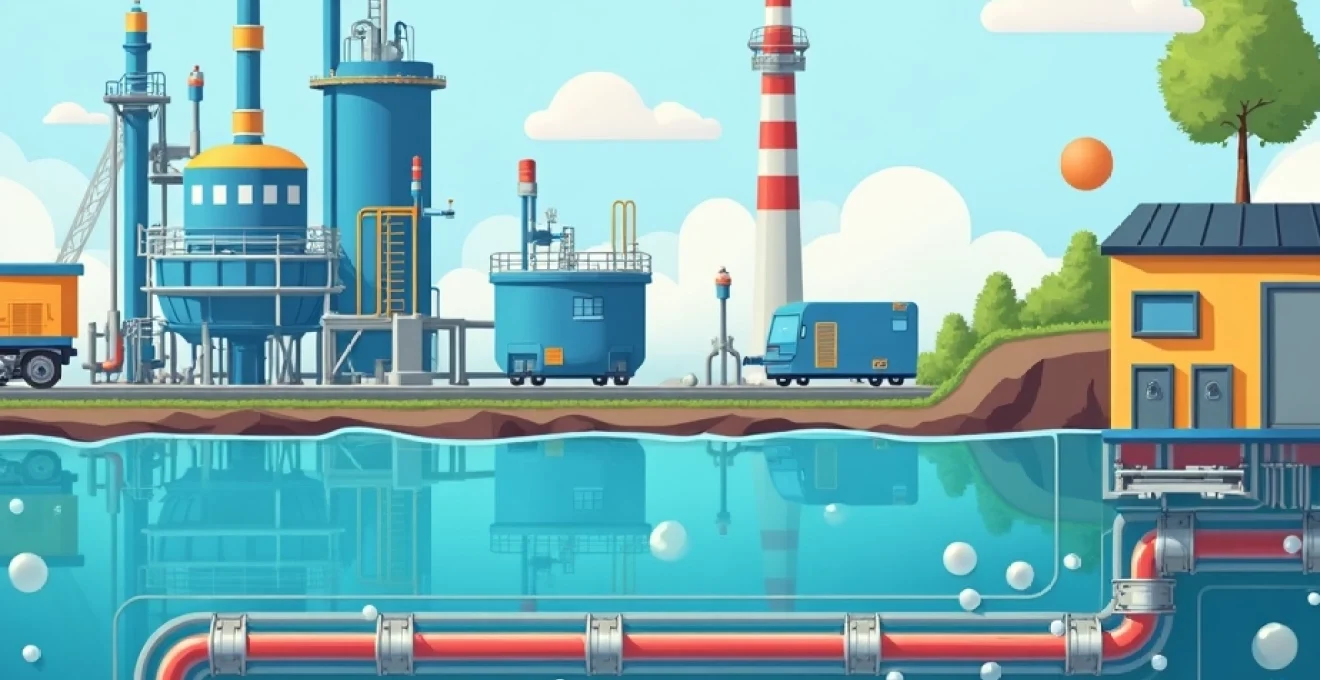
The biological treatment of industrial wastewater represents one of the most critical environmental processes in modern manufacturing, where oxygen serves as the fundamental catalyst for transforming harmful pollutants into harmless byproducts. This sophisticated process relies on naturally occurring microorganisms that consume organic contaminants through oxidation, converting them into new biomass, carbon dioxide, and water. The availability and management of dissolved oxygen directly influences treatment efficiency, operating costs, and environmental compliance across diverse industrial sectors including pharmaceuticals, petrochemicals, food processing, and manufacturing facilities.
Industrial wastewater often contains significantly higher concentrations of organic pollutants compared to municipal sewage, creating unique challenges for biological treatment systems. The biochemical oxygen demand (BOD) levels in industrial effluents can range from moderate to extremely high, requiring sophisticated aeration strategies to maintain optimal microbial activity. Understanding the intricate relationship between oxygen availability and biological purification processes enables facility managers to optimise treatment performance whilst reducing energy consumption and operational expenses.
Dissolved oxygen requirements in activated sludge process design
The activated sludge process forms the backbone of most biological wastewater treatment systems, where suspended microorganisms aggregate into flocculent masses called activated sludge. These microbial communities require specific dissolved oxygen concentrations to effectively metabolise organic pollutants and maintain healthy population dynamics. The design of effective activated sludge systems demands careful consideration of oxygen transfer rates, mixing patterns, and concentration gradients throughout the treatment basin.
Critical DO concentration thresholds for aerobic microorganisms
Aerobic microorganisms in activated sludge systems require minimum dissolved oxygen concentrations of 1-2 mg/L to maintain basic metabolic functions, though optimal performance typically occurs at concentrations between 2-4 mg/L. Industrial wastewater treatment facilities must maintain these threshold levels to prevent the formation of anaerobic zones, which can lead to odour generation, poor settling characteristics, and reduced treatment efficiency. The relationship between DO concentration and microbial activity follows Monod kinetics, where substrate utilisation rates increase with oxygen availability up to a saturation point.
Different microbial species within the activated sludge community exhibit varying oxygen requirements, creating complex dynamics within the treatment system. Nitrifying bacteria , responsible for converting ammonia to nitrate, typically require higher DO concentrations (2-3 mg/L minimum) compared to heterotrophic bacteria that consume organic carbon. This variation necessitates strategic oxygen distribution to support diverse microbial populations and achieve comprehensive pollutant removal.
Oxygen transfer efficiency in fine bubble diffusion systems
Fine bubble diffusion systems represent the most common aeration technology in activated sludge processes, offering superior oxygen transfer efficiency compared to coarse bubble or mechanical aeration methods. The standard oxygen transfer efficiency (SOTE) of fine bubble diffusers typically ranges from 15-35%, depending on system design, diffuser depth, and wastewater characteristics. The oxygen transfer rate equation incorporates factors such as the oxygen transfer coefficient (KLa), driving force (oxygen saturation minus actual DO), and alpha and beta correction factors for wastewater conditions.
The performance of fine bubble systems deteriorates over time due to fouling and membrane degradation, requiring regular maintenance and eventual replacement. Industrial wastewater containing oils, surfactants, or high concentrations of suspended solids can significantly reduce oxygen transfer efficiency through alpha factor depression. Facility operators must monitor alpha factors regularly and adjust aeration rates accordingly to maintain target DO concentrations throughout the treatment process.
Temperature and pressure effects on oxygen solubility calculations
Oxygen solubility in water varies inversely with temperature and directly with atmospheric pressure, creating seasonal and operational variations that affect treatment system design. At standard conditions (20°C, 1 atmosphere), the oxygen saturation concentration in clean water equals approximately 9.1 mg/L, but this value decreases to roughly 7.6 mg/L at 30°C. Industrial wastewater treatment systems must account for these variations when sizing aeration equipment and establishing operational setpoints.
The dissolved oxygen saturation concentration can be calculated using Henry’s Law and temperature correction factors, typically expressed through the following relationship: C*T = C*20 × 1.024^(20-T), where C*T represents saturation concentration at temperature T. Additionally, salinity and dissolved solids content in industrial wastewater reduce oxygen solubility through the salting-out effect, requiring adjustment of design parameters for high-strength industrial effluents.
BOD loading rate impact on oxygen demand fluctuations
Industrial wastewater treatment facilities experience significant variations in organic loading rates due to production schedules, batch discharges, and seasonal manufacturing patterns. These fluctuations directly impact oxygen demand, requiring flexible aeration systems capable of responding to rapid changes in BOD concentrations. The theoretical oxygen requirement for complete carbonaceous BOD removal equals approximately 1.0 kg O2 per kg BOD removed, though actual requirements typically range from 1.2-1.8 kg O2/kg BOD due to synthesis reactions and endogenous respiration.
Peak organic loading events can overwhelm conventional aeration systems, leading to temporary oxygen depletion and process upset conditions. Modern treatment facilities employ variable-frequency drives and automated control systems to adjust aeration rates based on real-time DO measurements and feedforward control signals from influent monitoring systems. This approach enables rapid response to loading variations whilst minimising energy consumption during low-demand periods.
Advanced aeration technologies for industrial effluent treatment
The evolution of aeration technology has introduced sophisticated treatment configurations specifically designed to address the challenges of industrial wastewater treatment. These advanced systems combine enhanced oxygen transfer capabilities with improved mixing characteristics, enabling more efficient pollutant removal whilst reducing energy consumption. The selection of appropriate aeration technology depends on wastewater characteristics, treatment objectives, and site-specific constraints including space availability and noise restrictions.
Membrane bioreactor (MBR) oxygen distribution mechanisms
Membrane bioreactors integrate biological treatment with membrane filtration, creating high-biomass concentrations that require intensive aeration for both biological processes and membrane scouring. The mixed liquor suspended solids (MLSS) concentrations in MBR systems typically range from 8,000-15,000 mg/L, compared to 2,000-4,000 mg/L in conventional activated sludge systems. This elevated biomass concentration increases oxygen demand whilst simultaneously reducing oxygen transfer efficiency due to increased viscosity and reduced bubble residence time.
The dual-purpose aeration in MBR systems serves biological oxygen requirements and membrane cleaning functions, with approximately 60-70% of total energy consumption attributed to aeration processes. Intermittent aeration strategies alternating between high-intensity membrane scouring and biological aeration phases can reduce overall energy consumption by 15-25% whilst maintaining treatment performance. The optimisation of aeration cycles requires careful balance between membrane flux maintenance and dissolved oxygen provision for biological processes.
Sequential batch reactor (SBR) cycling and oxygen control
Sequential batch reactors operate through programmed cycles of fill, react, settle, and decant phases, providing temporal rather than spatial separation of treatment processes. The reaction phase typically incorporates both aerobic and anoxic periods to achieve carbonaceous BOD removal and nitrogen transformation. Oxygen control during SBR operation requires precise timing and concentration management to optimise both organic removal and nutrient reduction processes.
The flexibility of SBR systems enables sophisticated aeration strategies including step-feed patterns, alternating aerobic-anoxic cycles, and variable DO setpoints throughout the reaction period. Industrial facilities treating wastewater with variable composition benefit from programmable aeration profiles that can be adjusted based on influent characteristics or seasonal variations. Advanced SBR control systems incorporate real-time monitoring of pH, oxidation-reduction potential (ORP), and dissolved oxygen to optimise cycle timing and aeration intensity.
Moving bed biofilm reactor (MBBR) carrier media oxygenation
Moving bed biofilm reactors utilise plastic carrier media to provide surface area for biofilm growth whilst maintaining suspended biomass in the bulk liquid. This hybrid configuration creates both suspended and attached growth environments with distinct oxygen requirements and transfer characteristics. The presence of carrier media enhances mixing and provides protection for slower-growing microorganisms, particularly nitrifying bacteria that benefit from the stable biofilm environment.
Oxygen transfer in MBBR systems must account for diffusion limitations within the biofilm matrix, where oxygen penetration typically extends only 100-300 micrometers from the biofilm surface. The design of MBBR aeration systems considers both bulk liquid DO requirements and the need to prevent excessive biofilm thickness that creates anaerobic zones within the biofilm structure. Carrier media fill ratios between 40-70% provide optimal surface area whilst maintaining adequate mixing and oxygen transfer characteristics.
Oxidation ditch configuration for extended aeration systems
Oxidation ditches represent a variant of the activated sludge process designed for extended aeration with integrated clarification zones. The oval or circular configuration provides plug-flow hydraulics with mechanical surface aerators or fine bubble diffusion systems strategically positioned to create alternating aerobic and anoxic zones. This spatial arrangement enables simultaneous carbon removal and nitrification-denitrification processes within a single reactor system.
The design of oxidation ditch aeration systems requires careful consideration of mixing velocity (typically 0.3-0.5 m/s) and oxygen distribution to maintain solids suspension whilst preventing short-circuiting. Industrial applications often incorporate variable-speed aeration equipment to respond to diurnal loading patterns and optimise energy consumption. The extended aeration approach provides excellent shock load resistance and produces well-stabilised sludge, making it particularly suitable for industrial facilities with variable wastewater characteristics.
Biochemical oxygen demand reduction through microbial metabolism
The fundamental mechanism of biological wastewater treatment involves microbial consumption of organic pollutants through aerobic respiration, where dissolved oxygen serves as the terminal electron acceptor. Industrial wastewater contains diverse organic compounds ranging from simple sugars and organic acids to complex polymers and synthetic chemicals, each requiring specific enzymatic pathways for biodegradation. The efficiency of BOD removal depends on the bioavailability of organic substrates, the presence of appropriate microbial communities, and the maintenance of optimal environmental conditions including dissolved oxygen, pH, and nutrient availability.
Microbial metabolism of organic pollutants occurs through both synthesis and energy generation pathways, with oxygen consumption rates varying based on substrate type and microbial growth phase. During logarithmic growth phases, microorganisms exhibit maximum substrate utilisation rates and oxygen consumption, while stationary and endogenous phases show reduced activity. The relationship between substrate concentration, microbial growth rate, and oxygen consumption follows established biokinetic models that enable prediction of treatment performance and aeration requirements.
Industrial wastewater often contains recalcitrant compounds that resist conventional biological treatment, requiring extended aeration periods or specialised microbial populations for effective removal. The presence of inhibitory substances such as heavy metals, solvents, or high salt concentrations can reduce microbial activity and increase oxygen requirements for achieving target treatment levels. Acclimatised biomass developed through gradual exposure to specific industrial pollutants often demonstrates enhanced treatment capabilities and improved oxygen utilisation efficiency compared to conventional activated sludge systems.
The stoichiometry of biological oxygen consumption relates directly to the degree of pollutant oxidation, with complete mineralisation requiring significantly more oxygen than partial degradation to intermediate compounds. Theoretical oxygen demand calculations provide baseline estimates for aeration system sizing, though actual requirements typically exceed theoretical values by 20-80% due to synthesis reactions, maintenance energy, and inefficiencies in oxygen transfer and utilisation. Real-world treatment systems must accommodate these variations through adequate safety factors and operational flexibility.
Nitrification-denitrification process control via oxygen management
Nitrogen removal in biological treatment systems requires careful orchestration of aerobic nitrification and anoxic denitrification processes, with dissolved oxygen serving as the primary control parameter for process optimisation. Nitrification converts ammonia to nitrate through two-step oxidation performed by specialised autotrophic bacteria, whilst denitrification reduces nitrate to nitrogen gas under oxygen-limited conditions. The successful implementation of biological nitrogen removal demands precise oxygen control to create appropriate environmental conditions for each process stage.
Nitrifying bacteria exhibit slower growth rates and higher oxygen requirements compared to heterotrophic organisms responsible for carbon removal, necessitating extended aeration periods and elevated DO concentrations for effective ammonia oxidation. The two-stage nitrification process involves ammonia-oxidising bacteria (AOB) converting ammonia to nitrite, followed by nitrite-oxidising bacteria (NOB) completing oxidation to nitrate. Each group responds differently to environmental conditions, with DO concentrations below 1.5 mg/L favouring partial nitrification that can be exploited for energy-efficient nitrogen removal processes.
Denitrification requires anoxic conditions (DO < 0.5 mg/L) and the presence of readily biodegradable carbon sources to serve as electron donors for nitrate reduction. Industrial wastewater treatment facilities often struggle to achieve complete denitrification due to limited carbon availability or inadequate oxygen control.
Modern biological nutrient removal systems employ sophisticated control strategies including real-time DO monitoring, ORP-based anoxic zone control, and automated carbon dosing to optimise nitrogen removal efficiency whilst minimising chemical costs.
The integration of nitrification and denitrification processes within single reactor systems requires dynamic oxygen control to alternate between aerobic and anoxic conditions. Sequential batch reactors, oxidation ditches, and modified activated sludge configurations utilise programmable aeration cycles to achieve biological nitrogen removal. The timing and intensity of aeration phases must balance carbon removal, nitrification efficiency, and denitrification completion to achieve target effluent nitrogen concentrations whilst minimising energy consumption.
Industrial case studies: oxygen optimisation in pharmaceutical and petrochemical wastewater
Real-world applications of advanced oxygen management strategies in industrial wastewater treatment demonstrate the practical benefits of optimised aeration systems. These case studies illustrate how facility-specific approaches to oxygen control can achieve improved treatment performance, reduced operating costs, and enhanced regulatory compliance across diverse industrial sectors.
Pfizer manufacturing plant biological treatment retrofit analysis
A major pharmaceutical manufacturing facility implemented a comprehensive aeration system retrofit to address increasing organic loading rates and stricter discharge limits. The original system utilised coarse bubble diffusers with fixed-speed blowers, resulting in poor oxygen transfer efficiency and excessive energy consumption. The retrofit incorporated fine bubble membrane diffusers, variable frequency drive blowers, and automated DO control systems to optimise oxygen delivery based on real-time process conditions.
The implementation included installation of dissolved oxygen probes throughout the treatment basins, enabling spatial monitoring of oxygen distribution and identification of potential dead zones. Process optimisation revealed that pharmaceutical wastewater containing antibiotic residues required elevated DO concentrations (3-4 mg/L) to maintain stable treatment performance, significantly higher than typical municipal wastewater applications. The retrofit achieved 35% reduction in aeration energy consumption whilst improving BOD removal efficiency from 92% to 97%.
Shell refinery secondary treatment oxygen enhancement project
A petroleum refinery’s secondary treatment system experienced performance challenges due to variable hydrocarbon loading and the presence of refractory compounds that resisted conventional biological treatment. The oxygen enhancement project focused on improving aeration efficiency and developing specialised microbial communities capable of degrading petroleum-derived pollutants. The implementation included high-efficiency diffuser systems, pure oxygen injection for peak loading periods, and bioaugmentation with hydrocarbon-degrading bacteria.
The project demonstrated that petroleum refinery wastewater requires significantly higher oxygen transfer rates due to reduced alpha factors caused by surfactants and hydrocarbons. Pure oxygen supplementation during peak loading events enabled the system to maintain stable treatment performance whilst avoiding the capital costs of expanded aeration infrastructure. The enhanced aeration system achieved consistent compliance with discharge limits for BOD, oil and grease, and phenolic compounds.
Unilever food processing facility aerobic digestion performance
A food processing facility treating high-strength organic wastewater implemented an innovative aerobic digestion system for both secondary treatment and sludge stabilisation. The system design incorporated temperature-controlled reactors with intensive aeration to accelerate organic decomposition and pathogen reduction. The project objectives included achieving Class A biosolids standards whilst minimising treatment volumes and disposal costs.
The aerobic digestion process required precise oxygen control to maintain optimal microbial activity whilst preventing excessive foam formation common in food processing applications.
Temperature elevation to 55°C significantly increased oxygen consumption rates, requiring sophisticated process control to maintain adequate DO concentrations throughout the reactor volume whilst optimising energy efficiency.
The system achieved 90% pathogen reduction and 65% volatile solids destruction, producing stabilised biosolids suitable for land application.
Real-time monitoring systems for dissolve
d oxygen control in biological treatment
The implementation of real-time monitoring systems represents a critical advancement in optimising dissolved oxygen management for industrial biological treatment processes. Modern treatment facilities increasingly rely on continuous monitoring technologies to maintain precise control over oxygen concentrations, enabling rapid response to process variations and maximising treatment efficiency. These sophisticated monitoring systems integrate multiple sensor technologies, data analytics platforms, and automated control algorithms to provide comprehensive oversight of biological treatment performance.
Advanced dissolved oxygen monitoring systems utilise optical sensor technology that offers superior accuracy and reduced maintenance requirements compared to traditional electrochemical probes. Luminescent dissolved oxygen sensors measure oxygen concentrations through fluorescence quenching principles, providing drift-free measurements with response times under 30 seconds. These sensors maintain calibration stability for extended periods, reducing maintenance costs and improving data reliability in challenging industrial wastewater environments.
The integration of dissolved oxygen monitoring with complementary parameters creates comprehensive process control capabilities that enable predictive management strategies. Real-time monitoring of pH, temperature, oxidation-reduction potential, and turbidity alongside DO measurements provides operators with complete visibility into biological treatment dynamics. Modern supervisory control and data acquisition (SCADA) systems process these multiple data streams to identify trends, predict process upsets, and automatically adjust aeration rates to maintain optimal treatment conditions.
Wireless sensor networks deployed throughout treatment basins enable spatial mapping of dissolved oxygen distributions, revealing mixing inefficiencies and identifying zones with suboptimal conditions. This spatial awareness allows operators to adjust aeration patterns, redirect flow paths, or modify mixing intensities to eliminate dead zones and improve overall treatment performance. The wireless connectivity reduces installation costs whilst providing flexible monitoring coverage that can be expanded or reconfigured as treatment requirements evolve.
Machine learning algorithms applied to historical monitoring data enable predictive control strategies that anticipate oxygen demand fluctuations based on influent characteristics, environmental conditions, and operational patterns. These intelligent systems learn from past performance to optimise aeration schedules, predict maintenance requirements, and identify operational anomalies before they impact treatment performance. The predictive capabilities reduce energy consumption by 10-20% whilst maintaining consistent treatment quality through proactive process adjustments.
Modern biological treatment facilities equipped with comprehensive real-time monitoring systems achieve energy savings of 25-40% compared to conventional fixed-aeration approaches, whilst simultaneously improving treatment reliability and regulatory compliance rates.
The economic benefits of real-time dissolved oxygen monitoring extend beyond energy savings to include reduced chemical costs, improved process stability, and enhanced operator productivity. Automated alarm systems alert operators to process deviations, equipment malfunctions, or unusual conditions that require immediate attention. Historical data logging enables trend analysis, performance benchmarking, and regulatory reporting whilst providing valuable insights for continuous improvement initiatives.
Data visualisation platforms transform complex monitoring data into intuitive dashboards that enable operators to quickly assess system performance and identify optimisation opportunities. These systems present real-time and historical trends, alarm status, and key performance indicators through user-friendly interfaces accessible from control rooms or mobile devices. The accessibility of process information enables rapid decision-making and facilitates remote monitoring capabilities that improve operational flexibility.
Cloud-based monitoring platforms enable centralised oversight of multiple treatment facilities, providing corporate-level visibility into treatment performance, energy consumption, and maintenance requirements. These systems facilitate knowledge sharing between facilities, enable standardisation of operational procedures, and support corporate sustainability initiatives through comprehensive energy and performance reporting. The scalability of cloud platforms accommodates facility expansions or acquisitions whilst maintaining consistent monitoring capabilities across diverse treatment systems.
Integration with enterprise resource planning (ERP) systems enables comprehensive cost tracking, maintenance scheduling, and performance reporting that supports data-driven decision-making at all organisational levels. The connection between treatment performance data and business metrics enables facility managers to demonstrate the value of process optimisation investments and justify additional technology improvements. This integration ensures that dissolved oxygen management strategies align with broader corporate objectives including environmental compliance, cost reduction, and sustainability targets.