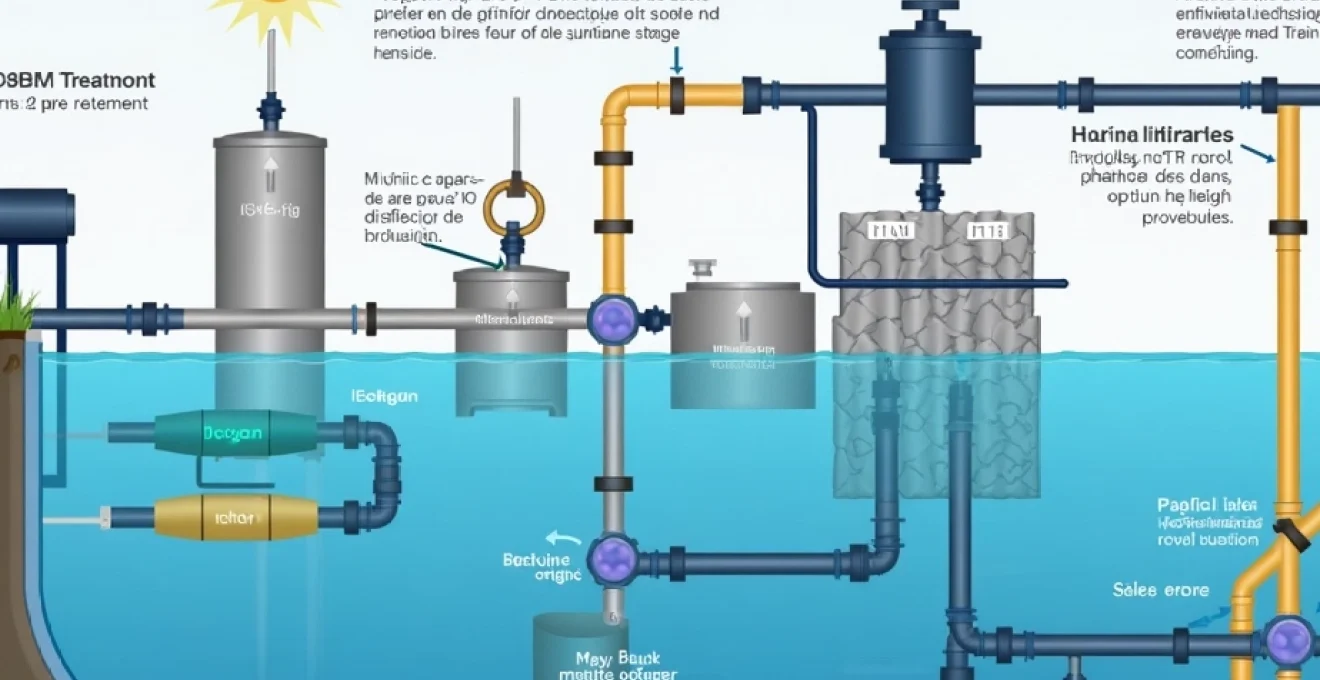
Industrial wastewater treatment facilities across the globe handle billions of litres of contaminated water daily, relying on sophisticated biological processes to transform polluted effluent into clean, reusable water. At the heart of these complex treatment systems lies one fundamental element that determines the success or failure of biological purification: oxygen. This critical component drives the metabolic processes of microorganisms responsible for breaking down organic pollutants, making it arguably the most important operational parameter in modern wastewater treatment plants.
The biological treatment of industrial wastewater represents a remarkable example of harnessing natural processes for environmental remediation. Activated sludge systems , trickling filters, and advanced biofilm reactors all depend on carefully controlled oxygen levels to maintain optimal performance. Understanding the intricate relationship between oxygen availability and biological purification efficiency becomes essential for treatment plant operators seeking to achieve consistent effluent quality whilst minimising operational costs.
Dissolved oxygen fundamentals in activated sludge systems
Activated sludge systems function as sophisticated biological reactors where diverse microbial communities work in concert to remove organic pollutants from wastewater. The dissolved oxygen concentration within these systems serves as the primary limiting factor for aerobic biological activity. Without adequate oxygen levels, the entire treatment process can shift from efficient aerobic degradation to problematic anaerobic conditions, resulting in poor effluent quality and offensive odours.
The fundamental principle governing oxygen utilisation in activated sludge systems relates directly to cellular respiration of microorganisms. Bacteria, protozoa, and other microbes consume dissolved oxygen whilst metabolising organic matter, converting complex pollutants into simpler compounds, new biomass, and energy. This process mirrors natural biological systems but occurs at accelerated rates due to the concentrated microbial populations maintained in treatment tanks.
Biochemical oxygen demand (BOD) reduction mechanisms
Biochemical Oxygen Demand reduction represents the primary objective of biological wastewater treatment, with oxygen playing a central role in this complex biochemical process. The relationship between BOD removal and oxygen consumption follows predictable stoichiometric patterns, allowing operators to calculate theoretical oxygen requirements based on incoming pollutant loads. Typically, 1.5 to 2.0 pounds of oxygen are required for every pound of BOD removed, though this ratio varies depending on wastewater characteristics and system configuration.
The mechanisms of BOD reduction involve multiple metabolic pathways within microbial cells. Primary substrate utilisation occurs rapidly when dissolved oxygen levels exceed 2-3 mg/L, enabling bacteria to efficiently break down readily biodegradable organic compounds. Secondary processes, including endogenous respiration and nitrification, require sustained oxygen availability to proceed effectively. Understanding these mechanisms helps operators optimise aeration strategies for maximum treatment efficiency.
Aerobic microorganism metabolism and oxygen consumption rates
Aerobic microorganisms exhibit varying oxygen consumption patterns depending on substrate availability, temperature, and environmental conditions. Heterotrophic bacteria, responsible for carbon removal, typically consume oxygen at rates ranging from 0.1 to 0.5 mg O₂/mg biomass/hour during active metabolism phases. These consumption rates fluctuate significantly based on food-to-microorganism ratios and operational parameters such as temperature and pH levels.
Autotrophic bacteria, particularly nitrifying organisms, demonstrate distinctly different oxygen consumption characteristics. Ammonia-oxidising bacteria require approximately 4.57 mg of oxygen for every mg of ammonia-nitrogen oxidised, whilst nitrite-oxidising bacteria consume an additional 1.14 mg oxygen per mg nitrite-nitrogen processed. These stoichiometric relationships provide the foundation for calculating total oxygen requirements in systems designed for nutrient removal.
Critical dissolved oxygen thresholds for nitrification processes
Nitrification processes require higher dissolved oxygen concentrations compared to carbon removal, with critical thresholds typically ranging from 1.5 to 3.0 mg/L depending on system configuration and operational conditions. Below these threshold levels, nitrifying bacteria experience metabolic stress, leading to reduced conversion rates and potential process instability. Temperature significantly influences these thresholds, with cold-weather operations requiring higher dissolved oxygen levels to maintain adequate nitrification rates.
Maintaining dissolved oxygen levels above 2.5 mg/L ensures consistent nitrification performance whilst providing sufficient buffer against operational fluctuations that could compromise treatment efficiency.
Oxygen transfer efficiency in mixed liquor suspended solids
Mixed Liquor Suspended Solids concentration directly impacts oxygen transfer efficiency within activated sludge systems. Higher MLSS concentrations create increased oxygen demand whilst simultaneously reducing mass transfer rates due to higher liquid viscosity and altered mixing characteristics. Optimal MLSS levels typically range from 2,000 to 4,000 mg/L for conventional systems, balancing treatment efficiency with oxygen transfer requirements.
The alpha factor, representing the ratio of oxygen transfer rates in wastewater compared to clean water, decreases as MLSS concentrations increase. Typical alpha values range from 0.4 to 0.8 in municipal wastewater systems, though industrial applications may experience lower values due to surfactants and other compounds that impede oxygen transfer. Regular monitoring and adjustment of these parameters ensures optimal system performance.
Aeration technology applications in wastewater treatment plants
Modern wastewater treatment plants employ diverse aeration technologies to meet specific oxygen transfer requirements whilst minimising energy consumption. The selection of appropriate aeration systems depends on factors including basin geometry, wastewater characteristics, oxygen demand patterns, and economic considerations. Each technology offers distinct advantages and limitations that must be carefully evaluated during system design and operation.
Energy consumption for aeration typically represents 45-75% of total treatment plant electricity usage, making efficient oxygen transfer systems essential for sustainable operations. Advanced aeration technologies incorporate variable frequency drives, automated control systems, and sophisticated monitoring equipment to optimise performance whilst reducing operational costs. The evolution of aeration technology continues to focus on improving Standard Oxygen Transfer Efficiency whilst maintaining reliable long-term performance.
Fine bubble diffuser systems and oxygen mass transfer coefficients
Fine bubble diffuser systems achieve superior oxygen transfer efficiency compared to coarse bubble alternatives, with Standard Oxygen Transfer Efficiency values ranging from 15% to 35% depending on installation depth and diffuser design. These systems generate bubbles with diameters between 1-3 mm, maximising gas-liquid interfacial area for enhanced mass transfer. The smaller bubble size results in longer residence times within the liquid phase, allowing more complete oxygen dissolution.
Oxygen mass transfer coefficients (KLa values) for fine bubble systems typically range from 10-30 hr⁻¹ under standard conditions, though actual field performance varies based on wastewater characteristics and operational parameters. Regular cleaning and maintenance schedules prove essential for maintaining optimal performance, as biofilm growth and mineral deposits can significantly reduce transfer efficiency over time.
Mechanical surface aerators: brush rotors and disc aerators
Mechanical surface aerators provide both oxygen transfer and mixing capabilities through various rotor configurations including brush rotors, disc aerators, and paddle wheels. These systems achieve oxygen transfer through surface agitation and droplet formation, with Standard Oxygen Transfer Rates typically ranging from 2.0-3.5 lb O₂/hp-hr for brush rotors and 1.8-2.8 lb O₂/hp-hr for disc aerators. The dual function of oxygenation and mixing makes these systems particularly suitable for lagoon applications and oxidation ditches.
Brush rotor systems excel in shallow basins where submersible equipment installation proves challenging. The rotating brush mechanism creates significant surface turbulence whilst maintaining consistent mixing patterns throughout the treatment zone. Disc aerators offer advantages in deeper installations, with multiple disc configurations allowing customisation based on specific oxygen transfer requirements.
Jet aeration technology for deep tank applications
Jet aeration technology combines the benefits of venturi-induced gas injection with high-velocity liquid circulation to achieve effective oxygenation in deep tank applications. These systems typically achieve Standard Oxygen Transfer Efficiency values between 8-15%, with the added benefit of excellent mixing characteristics throughout large treatment volumes. The self-aspirating design eliminates the need for separate blower systems in many applications.
Deep tank installations benefit from increased hydrostatic pressure effects that enhance oxygen solubility and transfer rates. Jet aerators can operate effectively at depths exceeding 20 feet, making them suitable for retrofit applications where existing infrastructure limitations preclude other aeration technologies. The robust design and minimal moving parts contribute to reliable long-term performance with reduced maintenance requirements.
Membrane aerated biofilm reactors (MABR) performance analysis
Membrane Aerated Biofilm Reactor technology represents a significant advancement in biological treatment, delivering oxygen directly to attached biofilms through permeable membranes. This approach eliminates energy-intensive bubble generation whilst achieving exceptional oxygen transfer efficiency approaching 100% theoretical utilisation. MABR systems excel in applications requiring simultaneous nitrification and denitrification within a single reactor configuration.
Performance analysis of MABR systems demonstrates significant energy savings compared to conventional activated sludge processes, with total energy consumption reductions of 50-75% reported in full-scale installations. The precise oxygen delivery mechanism allows for optimal gradient establishment within biofilms, supporting diverse microbial communities capable of complete nutrient removal without external carbon addition.
Advanced oxidation processes using ozone and pure oxygen
Advanced oxidation processes utilising ozone and pure oxygen provide powerful tools for treating recalcitrant industrial pollutants that resist conventional biological treatment methods. These processes generate highly reactive hydroxyl radicals capable of oxidising complex organic compounds, including pharmaceutical residues, pesticides, and industrial solvents. The combination of ozone with hydrogen peroxide or UV radiation further enhances oxidation potential for challenging waste streams.
Pure oxygen systems offer several advantages over conventional air-based aeration, including increased dissolved oxygen concentrations, reduced off-gas volumes, and elimination of nitrogen stripping effects. Industrial applications utilising pure oxygen typically achieve dissolved oxygen levels of 15-20 mg/L compared to 8-10 mg/L maximum with air systems. This enhanced oxygen availability supports higher biomass concentrations and improved treatment kinetics in biological processes.
Pure oxygen injection systems can achieve energy efficiency improvements of 50-70% compared to conventional air systems whilst providing superior process control capabilities for demanding industrial applications.
The economic viability of pure oxygen systems depends on factors including oxygen costs, energy savings, and improved treatment performance. Large-scale installations often justify on-site oxygen generation systems, whilst smaller facilities may utilise delivered liquid oxygen or pressure swing adsorption systems. The operational flexibility provided by pure oxygen systems proves particularly valuable for facilities experiencing variable loading conditions or seasonal operation patterns.
Moving bed biofilm reactor (MBBR) oxygen requirements
Moving Bed Biofilm Reactor systems require careful oxygen management to support both suspended and attached biomass populations within the same treatment vessel. The presence of plastic media carriers increases oxygen demand whilst creating complex flow patterns that affect mass transfer characteristics. Typical oxygen requirements for MBBR systems range from 1.8-2.5 kg O₂/kg BOD removed, slightly higher than conventional activated sludge processes due to the dual biomass populations.
The three-phase system created by water, biofilm carriers, and air bubbles presents unique challenges for oxygen transfer optimisation. Proper aeration system design must account for carrier movement patterns, which can interfere with bubble formation and residence time. Grid diffuser layouts often prove more effective than linear configurations, providing uniform air distribution that maintains carrier suspension whilst maximising oxygen transfer efficiency.
Temperature effects become particularly pronounced in MBBR systems, with cold weather operations requiring increased aeration rates to maintain adequate dissolved oxygen levels throughout the biofilm matrix. The thick biofilms characteristic of MBBR systems create oxygen gradients that must be carefully managed to prevent anaerobic core development whilst maintaining overall treatment efficiency.
Sequential batch reactor (SBR) aeration cycle optimisation
Sequential Batch Reactor operation presents unique opportunities for aeration optimisation through precise cycle timing and dissolved oxygen control strategies. The batch nature of SBR processes allows for customised aeration patterns that can be adjusted based on real-time monitoring data and treatment objectives. This flexibility enables significant energy savings compared to continuous aeration systems whilst maintaining excellent effluent quality.
Aeration cycle optimisation typically involves multiple phases including high-intensity mixing for initial substrate uptake, controlled aeration for biological oxidation, and settling phases with minimal disturbance. The ability to vary aeration intensity throughout the cycle allows operators to match oxygen supply with dynamic demand patterns, avoiding both oxygen limitation and wasteful over-aeration.
Anoxic-aerobic phase transitions and oxygen control strategies
Anoxic-aerobic phase transitions in SBR systems require sophisticated control strategies to achieve optimal nutrient removal whilst minimising energy consumption. The transition from aerobic to anoxic conditions must occur gradually to allow microorganisms to adapt metabolically without experiencing shock loading. Dissolved oxygen setpoints during these transitions typically range from 0.2-0.5 mg/L to ensure adequate denitrification whilst preventing completely anaerobic conditions.
Advanced control algorithms utilise oxidation-reduction potential monitoring in conjunction with dissolved oxygen measurements to optimise phase transitions. The integration of pH and nitrate sensors provides additional feedback for fine-tuning control strategies based on specific wastewater characteristics and treatment objectives. These multi-parameter control approaches can achieve nitrogen removal efficiencies exceeding 90% whilst reducing aeration energy consumption by 20-30%.
Real-time dissolved oxygen monitoring with SCADA systems
SCADA system integration enables sophisticated dissolved oxygen monitoring and control strategies that respond to changing conditions in real-time. Modern dissolved oxygen sensors provide continuous measurement with accuracy levels of ±0.1 mg/L, allowing for precise control of biological processes. Data logging capabilities enable trend analysis and predictive maintenance scheduling based on historical performance patterns.
Wireless sensor networks expand monitoring capabilities throughout treatment facilities whilst reducing installation and maintenance costs. These systems provide operators with comprehensive visibility into oxygen distribution patterns, enabling identification of dead zones or areas requiring aeration system modifications. The integration of artificial intelligence algorithms further enhances system performance by learning operational patterns and automatically adjusting control parameters.
Energy-efficient blower control using variable frequency drives
Variable Frequency Drive technology provides precise blower control that matches air delivery to instantaneous oxygen demand, resulting in significant energy savings compared to constant-speed operations. VFD-controlled systems typically achieve energy reductions of 20-40% whilst improving process stability through smoother airflow adjustments. The ability to modulate blower speed in response to dissolved oxygen feedback eliminates the inefficiencies associated with throttle valve control methods.
Advanced blower control algorithms incorporate multiple parameters including dissolved oxygen levels, ammonia concentrations, and flow rates to optimise performance across varying operating conditions. Pressure compensation features ensure consistent airflow delivery despite changing system resistance caused by diffuser fouling or water level variations. These sophisticated control systems often include predictive maintenance features that monitor bearing temperatures, vibration levels, and electrical parameters to schedule maintenance activities proactively.
Trickling filter biofilm oxygen penetration and removal efficiency
Trickling filter systems rely on natural and forced ventilation to supply oxygen to biofilm communities attached to media surfaces. Oxygen penetration into biofilm matrices represents a critical limiting factor for treatment efficiency, particularly in high-loading applications. Typical oxygen penetration depths range from 100-500 micrometers depending on biofilm density, substrate concentration, and local oxygen availability.
The relationship between oxygen penetration and removal efficiency follows predictable patterns based on biofilm kinetics and mass transfer principles. Thicker biofilms develop oxygen gradients that create distinct aerobic and anaerobic zones, enabling simultaneous carbon oxidation and denitrification within the same biofilm structure. This natural stratification provides inherent process stability and resilience to shock loadings that might overwhelm suspended growth systems.
Forced ventilation systems enhance oxygen transfer in trickling filters through controlled airflow patterns that optimise gas-liquid contact throughout the media bed. Counter-current airflow configurations typically achieve superior oxygen utilisation compared to co-current systems, with forced draft arrangements providing better control compared to natural draft alternatives. The integration of recirculation pumps and variable speed fans allows operators to fine-tune oxygen availability based on changing wastewater characteristics and environmental conditions.
| Treatment System | Dissolved Oxygen Range (mg/L) |
|---|
| Treatment System | Dissolved Oxygen Range (mg/L) | Oxygen Transfer Efficiency (%) |
|---|---|---|
| Activated Sludge | 1.5-3.0 | 8-12 |
| Extended Aeration | 2.0-4.0 | 6-10 |
| MBBR Systems | 2.5-4.5 | 12-18 |
| SBR Operations | 1.0-6.0 | 10-15 |
| Trickling Filters | 5.0-8.0 | 15-25 |
| MABR Technology | 0.5-2.0 | 85-100 |
Temperature variations significantly impact oxygen solubility and biofilm activity in trickling filter systems. Cold weather operations may require supplemental heating or modified hydraulic loading rates to maintain adequate treatment performance. The natural temperature buffering provided by large media volumes helps maintain stable operating conditions throughout seasonal transitions, though operators must adjust recirculation rates and ventilation patterns accordingly.
Modern trickling filter designs incorporate sophisticated media configurations that optimise surface area whilst maintaining adequate void space for airflow. Cross-flow media patterns enhance oxygen distribution by creating turbulent mixing zones that improve gas-liquid contact efficiency. The selection of media type and configuration directly influences both oxygen transfer characteristics and biomass attachment patterns, with synthetic media generally providing superior performance compared to traditional rock media systems.
Proper trickling filter design balances hydraulic loading, organic loading, and oxygen availability to achieve consistent treatment performance whilst minimising operational complexity and maintenance requirements.
Biofilm thickness management becomes critical for maintaining optimal oxygen penetration depths in trickling filter operations. Excessive biofilm growth creates oxygen-limited zones that reduce treatment efficiency and may lead to anaerobic conditions within the media bed. Regular monitoring of biofilm characteristics and implementation of controlled sloughing strategies help maintain optimal biofilm thickness for sustained high-performance operations. The integration of automated backwashing systems and media cleaning protocols ensures long-term system reliability whilst minimising manual intervention requirements.
Understanding the complex interplay between oxygen availability, biofilm dynamics, and treatment efficiency enables operators to optimise trickling filter performance across varying operational conditions. These robust biological systems continue to provide reliable wastewater treatment whilst offering lower energy consumption compared to many activated sludge alternatives. The natural ventilation capabilities of properly designed trickling filters reduce operational costs whilst maintaining excellent treatment performance for appropriate applications.