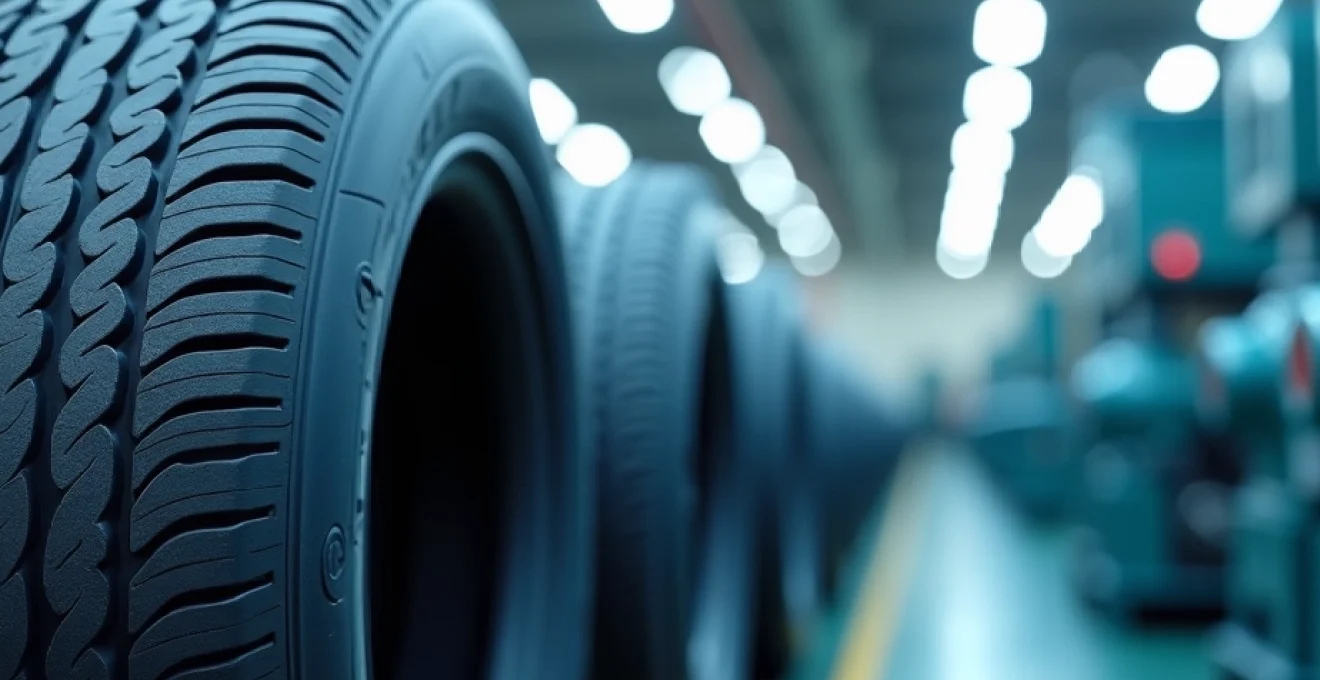
Nitrogen gas has revolutionised modern tire manufacturing, transforming traditional production methods that relied heavily on steam-based systems. This inert gas offers unprecedented control over pressure and temperature during critical vulcanisation processes, leading to superior product quality and enhanced operational efficiency. The chemical properties of nitrogen make it an ideal candidate for creating controlled atmospheres in rubber processing facilities, where oxidation prevention and consistent heat distribution are paramount. As tire manufacturers increasingly prioritise sustainability and cost-effectiveness, nitrogen-based systems have emerged as the preferred solution for optimising production cycles while maintaining the highest quality standards.
Nitrogen gas properties and chemical inertness in tyre manufacturing applications
The fundamental properties of nitrogen gas make it exceptionally suitable for tire manufacturing applications. With its molecular composition of N₂, nitrogen exhibits remarkable chemical stability under normal operating conditions, remaining unreactive with rubber compounds and other materials used in tire production. This inertness prevents unwanted chemical reactions that could compromise the integrity of rubber formulations during processing.
The molecular weight of nitrogen at 28.014 g/mol provides optimal density characteristics for effective heat transfer and pressure distribution within tire moulds. Unlike oxygen, which can cause oxidative degradation of rubber compounds, nitrogen creates a protective atmosphere that preserves the chemical structure of polymers throughout the vulcanisation process. This protection is particularly crucial when processing natural rubber and synthetic elastomers that are susceptible to thermal oxidation.
Nitrogen’s low solubility in rubber compounds ensures minimal gas absorption during processing, preventing the formation of voids or inconsistencies in the final product. The gas maintains its inert characteristics across a wide temperature range, typically from -196°C in its liquid state to over 500°C in industrial heating applications. This thermal stability allows manufacturers to implement nitrogen systems across various processing stages without concerns about gas decomposition or reactivity changes.
The chemical inertness of nitrogen prevents oxidative degradation of rubber compounds, ensuring consistent material properties throughout the manufacturing process.
Temperature control represents another significant advantage of nitrogen in tire manufacturing. The specific heat capacity of nitrogen allows for precise thermal management during vulcanisation, enabling manufacturers to achieve uniform heating patterns that were difficult to maintain with traditional steam systems. This uniformity directly translates to improved tire quality and reduced scrap rates in production facilities.
Industrial nitrogen generation systems for rubber processing facilities
Modern tire manufacturing facilities require reliable, high-purity nitrogen supply systems capable of meeting demanding production schedules. Industrial nitrogen generation technologies have evolved significantly, offering manufacturers multiple options for on-site gas production that eliminate dependencies on external suppliers while ensuring consistent quality and availability.
Pressure swing adsorption (PSA) technology implementation in bridgestone manufacturing plants
Pressure Swing Adsorption technology represents the most widely adopted method for nitrogen generation in large-scale tire manufacturing facilities. PSA systems utilise molecular sieves, typically composed of carbon or zeolite materials, to separate nitrogen from compressed air through selective adsorption. The process operates on alternating pressure cycles, where oxygen and other gases are adsorbed at high pressure, leaving purified nitrogen for collection.
These systems can achieve nitrogen purities ranging from 95% to 99.999%, depending on the specific requirements of different manufacturing processes. For tire curing applications, purities of 99.5% to 99.9% typically provide optimal performance while maintaining cost-effectiveness. The modular design of PSA systems allows for scalable capacity increases as production demands grow, making them particularly suitable for expanding manufacturing operations.
Membrane separation units for continental AG production lines
Membrane separation technology offers an alternative approach for nitrogen generation, particularly suitable for medium-scale operations or applications requiring continuous, steady-state production. These systems employ hollow fibre membranes that selectively permeate oxygen and water vapour while retaining nitrogen. The simplicity of membrane systems results in lower maintenance requirements and reduced operational complexity compared to PSA technologies.
Membrane units typically produce nitrogen with purities ranging from 95% to 99.5%, making them ideal for applications such as tire storage, transport, and certain processing stages where ultra-high purity is not critical. The energy efficiency of membrane systems makes them attractive for facilities prioritising environmental sustainability and reduced operating costs.
Cryogenic distillation methods at michelin vulcanisation facilities
Cryogenic distillation represents the gold standard for high-volume, high-purity nitrogen production in large tire manufacturing complexes. This technology separates nitrogen from air through fractional distillation at extremely low temperatures, typically around -196°C. Cryogenic systems can produce nitrogen with purities exceeding 99.999% while simultaneously generating oxygen as a co-product.
The capital investment required for cryogenic systems makes them economically viable only for large-scale operations with substantial nitrogen consumption. However, the operational efficiency and reliability of these systems make them attractive for major tire manufacturers with multiple production lines requiring consistent, high-purity nitrogen supply.
On-site nitrogen generator specifications for goodyear rubber processing
On-site nitrogen generation specifications must align with specific production requirements, considering factors such as flow rate, purity level, pressure requirements, and operational continuity. Typical tire manufacturing facilities require nitrogen flow rates ranging from 100 to 5,000 Nm³/h, depending on production capacity and the number of processing lines.
Pressure requirements typically range from 4 to 15 bar gauge, with higher pressures needed for tire curing applications. System reliability becomes critical, with manufacturers often implementing redundant generation capacity to ensure uninterrupted production. The integration of advanced monitoring systems allows for real-time quality control and predictive maintenance scheduling.
Heat transfer optimisation through nitrogen circulation systems
Nitrogen circulation systems in tire manufacturing facilities require careful design to optimise heat transfer efficiency while maintaining uniform temperature distribution. The thermal properties of nitrogen enable more precise temperature control compared to steam systems, allowing manufacturers to implement sophisticated heating profiles that enhance vulcanisation quality.
Circulation system design considerations include pipe sizing, insulation requirements, temperature monitoring points, and safety relief systems. The ability to independently control pressure and temperature in nitrogen systems provides unprecedented flexibility in optimising curing cycles for different tire specifications and sizes.
Vulcanisation process enhancement through controlled nitrogen atmospheres
The vulcanisation process represents the critical transformation stage where rubber compounds develop their final mechanical properties through cross-linking reactions. Nitrogen atmospheres provide precise control over this complex chemical process, enabling manufacturers to achieve consistent results while reducing cycle times and improving product quality. The elimination of oxygen from the vulcanisation environment prevents unwanted side reactions that can compromise rubber properties.
Sulphur Cross-Linking acceleration under nitrogen blanket conditions
Sulphur-based vulcanisation systems benefit significantly from nitrogen blanket conditions, which eliminate oxygen interference with cross-linking reactions. Under nitrogen atmospheres, sulphur cross-linking occurs more efficiently, allowing for reduced curing times while achieving superior mechanical properties. The absence of oxygen prevents the formation of oxidative products that can weaken the rubber matrix and reduce tire performance.
Temperature uniformity under nitrogen conditions enables more predictable cross-linking kinetics, allowing process engineers to optimise curing schedules for specific rubber formulations. This precision becomes particularly important when processing complex tire constructions with multiple rubber compounds requiring different curing characteristics.
Temperature control mechanisms in Nitrogen-Assisted autoclave systems
Nitrogen-assisted autoclave systems provide superior temperature control through enhanced heat transfer characteristics and elimination of thermal gradients associated with steam condensation. The uniform density of nitrogen gas ensures consistent heat distribution throughout the autoclave chamber, preventing hot spots that can cause localised overcuring or undercuring.
Advanced temperature control algorithms can leverage nitrogen’s thermal properties to implement precise heating and cooling profiles. This capability enables manufacturers to optimise energy consumption while achieving target cure states more reliably than traditional steam-based systems.
Oxygen exclusion protocols during pirelli tyre curing processes
Effective oxygen exclusion protocols are essential for maintaining rubber quality during curing processes. Nitrogen purging procedures typically begin before heating, ensuring complete displacement of atmospheric oxygen from the curing chamber. Continuous nitrogen flow during curing maintains the inert atmosphere while preventing oxygen infiltration through system leaks.
Oxygen monitoring systems provide real-time feedback on atmosphere quality, allowing operators to adjust nitrogen flow rates to maintain optimal conditions. Target oxygen levels typically remain below 0.5% throughout the curing cycle to prevent oxidative degradation of rubber compounds.
Nitrogen pressure regulation in dunlop vulcanisation chambers
Pressure regulation in nitrogen-based vulcanisation systems requires precise control to achieve optimal tire shaping and cure distribution. Unlike steam systems where pressure and temperature are interdependent, nitrogen systems allow independent control of these critical parameters. This flexibility enables manufacturers to optimise pressure profiles for different tire constructions and sizes.
Automated pressure control systems maintain consistent conditions throughout the curing cycle, compensating for thermal expansion effects and system variations. The ability to programme complex pressure profiles allows for enhanced tire shaping and improved uniformity in the final product.
Rubber compound degradation prevention using nitrogen purging techniques
Rubber compound degradation represents a significant challenge in tire manufacturing, particularly during storage, mixing, and processing operations. Nitrogen purging techniques provide effective protection against oxidative degradation, thermal aging, and moisture absorption that can compromise rubber properties. The implementation of nitrogen blanketing systems in storage silos and mixing equipment creates protective atmospheres that preserve compound quality throughout the production process.
Nitrogen purging protocols typically involve complete displacement of atmospheric gases before material introduction, followed by continuous nitrogen flow to maintain inert conditions. The purging effectiveness depends on factors such as flow rate, residence time, and system geometry. Properly designed purging systems can reduce oxygen levels to below 0.1%, providing exceptional protection against oxidative reactions.
The timing of nitrogen introduction becomes critical during rubber processing operations. Early implementation of nitrogen atmospheres prevents initial oxidation that can catalyse further degradation reactions. This preventive approach proves more effective than attempting to mitigate degradation after it has begun, highlighting the importance of comprehensive nitrogen system integration.
Nitrogen purging techniques can extend rubber compound storage life by up to 50% while maintaining consistent processing characteristics throughout production cycles.
Temperature management during nitrogen purging requires careful consideration of thermal effects on both the rubber compounds and the purging gas. Heated nitrogen can accelerate purging effectiveness while maintaining compound temperatures within acceptable ranges. However, excessive temperatures can accelerate thermal aging, requiring precise temperature control throughout the purging process.
The economic benefits of degradation prevention through nitrogen purging extend beyond material savings to include improved process consistency and reduced quality variations. Compounds maintained under nitrogen atmospheres exhibit more predictable processing behaviour, leading to reduced setup times and improved production efficiency. This consistency becomes particularly valuable in automated production environments where process variations can cascade into significant quality issues.
Quality control standards and nitrogen purity requirements in tyre production
Quality control standards in tire production demand stringent nitrogen purity requirements to ensure consistent product performance and regulatory compliance. International standards such as ISO 9001 and automotive-specific requirements like TS 16949 establish frameworks for nitrogen quality management throughout the manufacturing process. These standards address not only purity levels but also delivery pressure stability, moisture content, and contamination control.
ISO 14040 compliance for Nitrogen-Enhanced manufacturing processes
ISO 14040 compliance for nitrogen-enhanced manufacturing processes requires comprehensive environmental impact assessment and lifecycle analysis. This standard framework evaluates the environmental benefits of nitrogen implementation against traditional manufacturing methods, considering factors such as energy consumption, emissions reduction, and waste minimisation. Tire manufacturers implementing nitrogen systems must document environmental improvements while maintaining production quality standards.
The lifecycle assessment methodology under ISO 14040 encompasses nitrogen production, distribution, utilisation, and disposal considerations. On-site nitrogen generation typically demonstrates superior environmental performance compared to delivered gas systems, reducing transportation emissions and packaging waste. However, the energy requirements for nitrogen production must be balanced against environmental benefits to achieve optimal sustainability outcomes.
Oxygen content monitoring systems in yokohama tyre facilities
Oxygen content monitoring systems provide critical quality assurance for nitrogen-enhanced manufacturing processes. These systems typically employ electrochemical or paramagnetic sensors capable of detecting oxygen levels in the parts-per-million range. Continuous monitoring ensures that oxygen concentrations remain within acceptable limits throughout production cycles.
Advanced monitoring systems integrate with manufacturing execution systems (MES) to provide real-time quality feedback and automatic process adjustments. Alert systems notify operators of oxygen level deviations, enabling rapid corrective action before product quality is compromised. Data logging capabilities support quality documentation requirements and facilitate process optimisation initiatives.
Moisture control specifications for hankook rubber processing
Moisture control in nitrogen systems requires careful attention to dew point specifications and humidity monitoring. Tire manufacturing processes typically require nitrogen with dew points below -40°C to prevent moisture interference with rubber processing. Moisture contamination can affect vulcanisation reactions, adhesion properties, and overall tire performance.
Drying systems integrated with nitrogen generators ensure consistent moisture levels regardless of atmospheric conditions. Molecular sieve dryers, refrigeration systems, and membrane dryers provide different approaches to moisture control, each with specific advantages for different applications and operating conditions.
Nitrogen flow rate calculations for optimal vulcanisation results
Nitrogen flow rate calculations must consider multiple factors including chamber volume, leakage rates, temperature effects, and process requirements. Optimal flow rates ensure complete atmosphere replacement while minimising gas consumption and operating costs. Computational fluid dynamics (CFD) modelling helps optimise flow patterns and distribution within curing chambers.
Flow rate calculations typically account for initial purging requirements, steady-state maintenance flows, and thermal expansion effects during heating cycles. Safety factors ensure adequate nitrogen supply under varying operating conditions while preventing excessive consumption that increases operating costs unnecessarily.
Economic analysis of nitrogen implementation in modern tyre manufacturing
The economic implications of nitrogen implementation in tire manufacturing extend far beyond initial capital investments, encompassing operational savings, quality improvements, and long-term strategic advantages. Comprehensive economic analysis reveals that nitrogen systems typically achieve payback periods of 18 to 36 months, depending on production scale and application scope. The cost-benefit equation becomes increasingly favourable as production volumes increase and energy costs rise.
Capital expenditure considerations include nitrogen generation equipment, distribution systems, monitoring instrumentation, and facility modifications. On-site nitrogen generation systems typically require investments ranging from £100,000 to £2,000,000, depending on capacity and technology selection. However, these investments eliminate ongoing gas supply costs while providing operational independence and supply security.
Operational cost savings derive from multiple sources, including reduced cycle times, improved energy efficiency, extended equipment life, and decreased maintenance requirements. Nitrogen-based curing systems demonstrate cycle time reductions of up to 18%, directly translating to increased production capacity without additional capital investment. The elimination of steam generation and associated water treatment systems reduces utility costs and maintenance expenses significantly.
Manufacturing facilities implementing nitrogen systems report average operational cost reductions of 15-25% while achieving superior product quality and consistency.
Quality improvements contribute substantially to economic benefits through reduced scrap rates, improved yield, and enhanced product reliability. Nitrogen atmospheres typically reduce tire defect rates by 20-30%, resulting in significant material savings and improved customer satisfaction. The extended bladder life achieved through nitrogen implementation reduces replacement costs and production downtime associated with maintenance activities.
Energy efficiency represents another significant economic advantage of nitrogen systems. The independent control of pressure and temperature in nitrogen-based processes enables optimised energy consumption patterns that reduce overall heating requirements. Additionally, the elimination of steam generation systems reduces primary energy consumption and associated carbon emissions, supporting sustainability initiatives while reducing energy costs.
Risk mitigation benefits include supply security, price stability, and operational reliability. On-site nitrogen generation eliminates supply chain dependencies and price volatility associated with merchant gas supplies. This independence becomes particularly valuable during market disruptions or supply shortages that can compromise production schedules and customer commitments. The reliability of modern nitrogen generation systems, typically exceeding 99.5% availability, ensures consistent production capability essential for lean manufacturing environments.