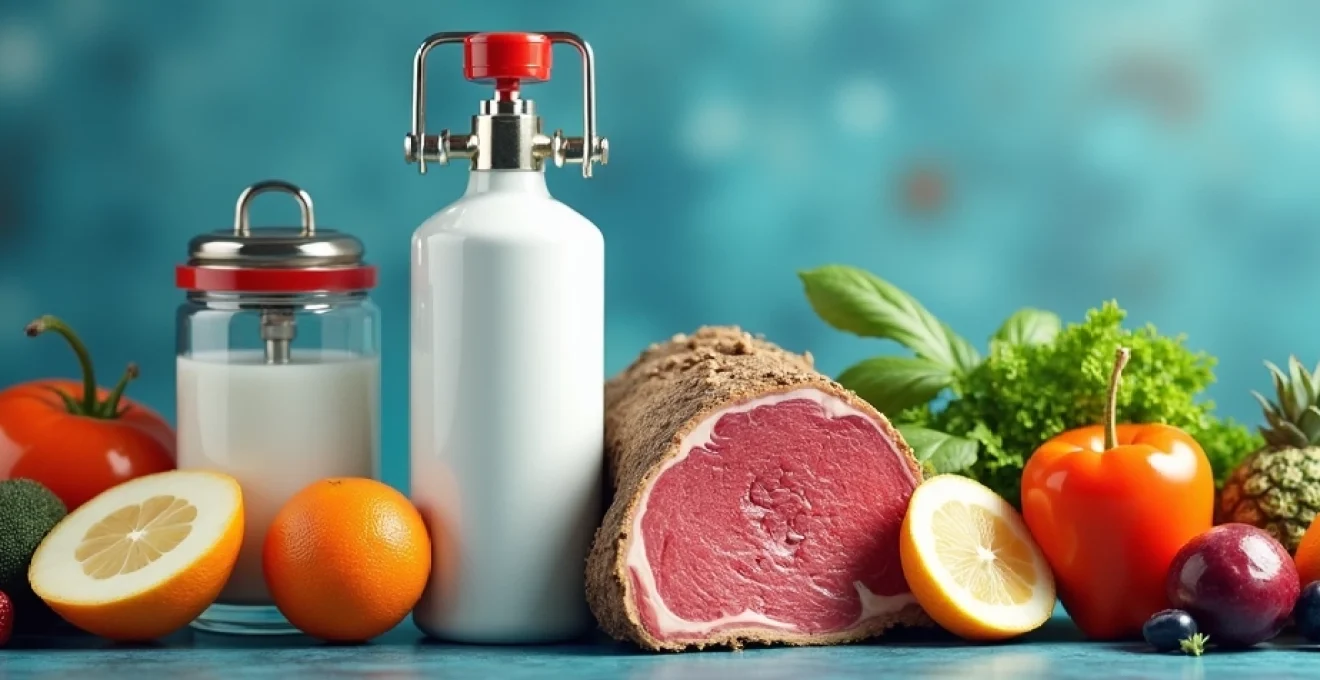
The modern food industry faces unprecedented challenges in maintaining product quality while meeting consumer demands for freshness, safety, and extended shelf life. As global food supply chains become increasingly complex, manufacturers require sophisticated preservation methods that go beyond traditional approaches. Nitrogen gas has emerged as one of the most versatile and effective solutions for food preservation and processing applications across diverse sectors of the industry.
This inert gas offers unique properties that make it indispensable for protecting food products from oxidation, microbial growth, and quality degradation. From snack foods to fresh produce, nitrogen applications span virtually every category of food manufacturing and storage. The gas’s chemical stability and non-reactive nature provide manufacturers with a reliable tool for extending product shelf life without compromising safety or nutritional value.
Understanding the various nitrogen applications and technologies available today enables food processors to optimise their operations while maintaining competitive advantages in demanding markets. The integration of nitrogen-based systems continues to evolve, offering new opportunities for improving food safety standards and reducing waste throughout the supply chain.
Nitrogen gas flushing technologies in modified atmosphere packaging systems
Modified atmosphere packaging (MAP) represents one of the most widespread applications of nitrogen technology in food preservation. By replacing oxygen-rich air with nitrogen-controlled environments, manufacturers can dramatically extend product shelf life while maintaining organoleptic qualities that consumers expect. The process involves precise control of gas concentrations to create optimal storage conditions for specific food categories.
Continuous flow nitrogen displacement in tray sealing equipment
Continuous flow nitrogen systems integrated into tray sealing equipment provide consistent atmospheric modification for high-volume production lines. These systems maintain steady nitrogen flow rates while products move through packaging machinery, ensuring uniform gas replacement across all packages. The technology requires careful calibration of flow rates to match production speeds and achieve target oxygen concentrations below 1% for optimal preservation results.
Modern continuous flow systems incorporate sensors that monitor gas concentrations in real-time, enabling automatic adjustments to maintain packaging specifications. This approach proves particularly effective for ready-to-eat meals, fresh salads, and processed meats where consistent quality preservation is critical for food safety compliance.
Vacuum-nitrogen backfill processes for extended shelf life
Vacuum-nitrogen backfill technology combines two-stage processing to achieve superior preservation results compared to simple gas flushing methods. The initial vacuum stage removes existing air from packages, eliminating oxygen and moisture that contribute to spoilage. Subsequent nitrogen backfilling creates protective atmospheres with oxygen concentrations typically below 0.5% .
This dual-stage approach proves essential for products requiring maximum shelf life extension, such as coffee beans, nuts, and dried fruits. The vacuum stage ensures complete removal of trapped air pockets that could harbour residual oxygen, while controlled nitrogen introduction maintains package integrity without causing structural damage to delicate products.
Nitrogen concentration control in barrier film applications
Advanced barrier films work synergistically with nitrogen atmospheres to maintain gas concentrations throughout extended storage periods. These specialised packaging materials feature low oxygen transmission rates that prevent atmospheric oxygen from penetrating sealed packages over time. The combination of nitrogen flushing with high-barrier films creates dual protection systems for sensitive products.
Selection of appropriate barrier films depends on specific product requirements and intended shelf life targets. Multilayer films incorporating EVOH (ethylene vinyl alcohol) or PVDC (polyvinylidene chloride) barriers provide excellent oxygen protection for products stored in nitrogen atmospheres, maintaining target concentrations for months or even years when properly implemented.
Multi-stage nitrogen injection systems for industrial food production
Large-scale food manufacturing facilities often employ multi-stage nitrogen injection systems that provide graduated atmospheric control throughout processing and packaging operations. These systems introduce nitrogen at multiple points during production, creating layered protection against oxidation and contamination. Each injection stage serves specific functions, from initial product protection to final package sealing.
Multi-stage systems prove particularly valuable in facilities processing multiple product lines with varying nitrogen requirements. The technology allows simultaneous operation of different atmospheric conditions across production areas while maintaining centralised nitrogen generation and distribution systems. This approach optimises resource utilisation while ensuring consistent quality standards across diverse product categories.
Cryogenic nitrogen applications in food freezing and temperature control
Liquid nitrogen applications in food processing extend far beyond simple preservation, offering unique capabilities for rapid freezing, temperature control, and texture modification. The extremely low temperature of liquid nitrogen ( -196°C ) enables processing techniques impossible with conventional refrigeration systems. These applications have revolutionised food processing in sectors requiring precise temperature control or rapid thermal transitions.
Liquid nitrogen immersion freezing for seafood processing
Immersion freezing using liquid nitrogen provides the fastest possible freezing rates for seafood products, preserving cellular structure and maintaining optimal texture characteristics. This rapid freezing process minimises ice crystal formation that typically damages cell walls and leads to quality degradation during thawing. The technique proves especially valuable for premium seafood products where texture preservation directly impacts market value.
Commercial immersion systems utilise controlled liquid nitrogen circulation to maintain consistent temperatures throughout the freezing process. Product conveyor systems move seafood through nitrogen baths at predetermined rates, ensuring uniform freezing while optimising nitrogen consumption. Temperature monitoring systems track product core temperatures to ensure complete freezing before packaging operations commence.
Nitrogen tunnel freezing systems in meat processing facilities
Tunnel freezing systems employing nitrogen vapour provide efficient freezing for meat products while maintaining production line continuity. These systems create controlled environments where products travel through nitrogen-cooled tunnels on conveyor systems, achieving target temperatures without manual handling. The process maintains consistent freezing rates regardless of product size variations or ambient conditions.
Modern tunnel systems incorporate heat exchangers that recover nitrogen vapour for preliminary cooling stages, improving overall system efficiency. Variable speed controls adjust conveyor rates based on product characteristics and target temperatures, optimising freezing quality while minimising nitrogen consumption. This technology proves essential for facilities processing diverse meat cuts requiring different freezing specifications.
Cryogenic grinding applications using nitrogen in spice manufacturing
Cryogenic grinding with liquid nitrogen enables processing of heat-sensitive spices and herbs without volatile oil loss or flavour degradation. Traditional grinding methods generate heat that damages delicate compounds responsible for aroma and flavour characteristics. Nitrogen-cooled grinding maintains product temperatures below critical thresholds where these compounds remain stable.
The process involves pre-cooling spices with liquid nitrogen before grinding operations commence. Grinding equipment operates within nitrogen-rich atmospheres that prevent oxidation while maintaining low temperatures throughout processing. This approach preserves essential oils and aromatic compounds that distinguish premium spice products in competitive markets.
Temperature shock prevention through controlled nitrogen cooling
Controlled nitrogen cooling systems prevent temperature shock in products transitioning between processing stages with significant temperature differences. Gradual cooling using nitrogen vapour maintains product integrity while achieving target temperatures without thermal stress damage. This technique proves crucial for products sensitive to rapid temperature changes that could affect texture or structural properties.
Temperature shock prevention systems employ staged cooling zones with progressively lower temperatures achieved through controlled nitrogen introduction. Automated control systems monitor product temperatures and adjust nitrogen flow rates to maintain predetermined cooling curves. This precision approach ensures consistent quality while optimising nitrogen usage throughout cooling operations.
Oxidative degradation prevention through nitrogen atmosphere control
Oxidative degradation represents one of the primary causes of food quality deterioration, affecting everything from flavour and colour to nutritional content and safety. Nitrogen atmosphere control provides comprehensive protection against these oxidative processes by creating environments where oxygen-dependent reactions cannot occur. The effectiveness of this approach depends on achieving and maintaining target oxygen concentrations specific to different product categories.
The science behind oxidative degradation involves complex chemical reactions between oxygen and various food components, particularly fats, oils, and certain vitamins. These reactions produce compounds responsible for rancid flavours, colour changes, and nutrient loss that consumers associate with poor quality products. Nitrogen displacement interrupts these reaction pathways by removing the oxygen necessary for oxidation to occur.
Different food products require specific oxygen concentration targets for optimal protection. Snack foods typically require oxygen levels below 2% to prevent staleness and maintain crispness, while coffee products may require even lower concentrations to preserve delicate aromatic compounds. Fatty fish and meat products often need oxygen levels below 0.5% to prevent rancidity development during extended storage periods.
Implementation of nitrogen atmosphere control involves careful consideration of packaging materials, sealing techniques, and storage conditions. High-barrier packaging films work in conjunction with nitrogen atmospheres to maintain target oxygen levels throughout product shelf life. Temperature control becomes equally important, as elevated temperatures can accelerate oxidative reactions even in nitrogen-rich environments.
The combination of nitrogen atmosphere control with proper packaging and temperature management can extend product shelf life by 200-500% compared to conventional storage methods, while maintaining quality characteristics that meet consumer expectations.
Monitoring systems play crucial roles in maintaining effective nitrogen atmosphere control throughout storage and distribution. Oxygen analysers provide continuous monitoring of atmosphere compositions, enabling rapid response to any deviations from target concentrations. These systems become particularly important for facilities handling multiple product lines with different atmospheric requirements.
Nitrogen-based pest control and fumigation protocols in food storage
Pest control in food storage facilities has traditionally relied on chemical fumigants that raise concerns about residue contamination and environmental impact. Nitrogen-based fumigation offers a clean alternative that eliminates insects and other pests through controlled atmosphere modification rather than toxic chemicals. This approach aligns with growing consumer demands for chemical-free food processing methods while maintaining effective pest control standards.
The controlled atmosphere approach works by creating oxygen-depleted environments that cannot support insect respiration. Most storage pests require oxygen concentrations above 8-10% for survival, while nitrogen fumigation reduces these levels to 1-2% or lower. The process requires sealed storage environments where nitrogen can be introduced and maintained for sufficient periods to ensure complete pest elimination.
Grain storage facilities represent primary applications for nitrogen-based pest control, where insects like weevils and moths can cause significant economic losses. Silo fumigation using nitrogen involves calculating storage volumes, determining required nitrogen quantities, and establishing exposure times based on pest species and environmental conditions. Temperature monitoring becomes critical, as higher temperatures reduce required exposure times while lower temperatures may extend treatment periods.
Implementation protocols require careful attention to safety considerations, particularly in confined spaces where nitrogen concentrations could pose risks to personnel. Proper ventilation systems and gas monitoring equipment ensure safe working conditions during and after fumigation operations. Emergency procedures must address potential nitrogen leaks or accumulation in work areas.
Effectiveness monitoring involves pre-treatment pest assessments, atmosphere composition tracking during treatment, and post-treatment evaluations to confirm pest elimination. Documentation requirements for organic certification or export markets often necessitate detailed records of treatment parameters, gas concentrations, and exposure times. These records demonstrate compliance with various regulatory standards while providing traceability for quality assurance programmes.
The economic advantages of nitrogen fumigation include elimination of chemical residue concerns, reduced regulatory compliance costs, and improved worker safety compared to conventional fumigation methods. However, initial equipment investments and operational training requirements must be considered when evaluating implementation feasibility for specific storage facilities.
Industrial nitrogen generation systems and purity standards for food applications
The reliability and cost-effectiveness of nitrogen supply systems significantly impact the viability of nitrogen applications in food processing operations. Industrial nitrogen generation technologies have evolved to provide on-site production capabilities that eliminate dependence on delivered gas supplies while offering superior economic performance for medium to large-scale operations. Understanding available generation technologies and their respective advantages enables informed decision-making for facility planning and equipment selection.
PSA nitrogen generator integration in food processing plants
Pressure Swing Adsorption (PSA) nitrogen generators utilise molecular sieve beds that selectively adsorb oxygen from compressed air, leaving high-purity nitrogen for process applications. These systems offer excellent reliability and can produce nitrogen purities ranging from 95% to 99.999% depending on application requirements. PSA technology proves particularly suitable for applications requiring consistent high-purity nitrogen with reliable supply characteristics.
Integration considerations for PSA systems include compressed air quality requirements, electrical power specifications, and installation space requirements. Pre-treatment systems removing moisture, oil, and particulates from compressed air ensure optimal performance and extend molecular sieve life. Backup systems or redundant generators provide supply security for critical applications where nitrogen interruptions could result in product losses or safety concerns.
Capacity sizing for PSA generators depends on peak demand requirements rather than average consumption, as these systems cannot typically respond to rapid demand increases. Buffer storage tanks smooth demand variations while ensuring adequate supply during peak usage periods. Control systems integrate with facility automation networks to optimise generator operation and monitor performance parameters.
Membrane separation technology for On-Site nitrogen production
Membrane separation systems employ hollow fibre technology that allows selective permeation of oxygen and other gases while retaining nitrogen. These systems offer lower capital costs and simpler operation compared to PSA generators, making them attractive for smaller facilities or applications where moderate nitrogen purities suffice. Membrane systems typically produce nitrogen purities ranging from 95% to 99.5% .
The technology operates continuously without cycling, providing steady nitrogen flow rates that match system demand. Membrane life typically exceeds several years with proper pre-treatment, resulting in low maintenance requirements compared to other generation technologies. However, membrane systems consume more compressed air per unit of nitrogen produced, potentially increasing operating costs in high-demand applications.
Selection criteria for membrane systems include consideration of required nitrogen flow rates, purity specifications, and compressed air availability. These systems prove particularly effective for applications with steady nitrogen demand and moderate purity requirements, such as packaging operations or general atmospheric protection applications.
Food-grade nitrogen purity requirements and testing protocols
Food-grade nitrogen applications require compliance with specific purity standards that address both nitrogen concentration and acceptable contaminant levels. The European food additive designation E941 requires minimum nitrogen purity of 99.5% with maximum residual oxygen content of 5000 ppm . Additional specifications limit water content, oil vapour, and other potential contaminants that could affect food safety or quality.
Testing protocols for food-grade nitrogen typically involve gas chromatography analysis for purity verification and specialised testing for moisture, hydrocarbons, and other specific contaminants. Regular testing schedules ensure continued compliance with food safety standards while providing documentation for regulatory audits. Certificates of analysis accompany each test batch, providing traceability for quality assurance programmes.
Quality control procedures encompass generator operation monitoring, pre-treatment system maintenance, and periodic calibration of analytical equipment. These procedures ensure consistent nitrogen quality while identifying potential issues before they affect product applications. Documentation systems track all quality control activities and maintain historical records for trend analysis and regulatory compliance.
Nitrogen supply chain management for Large-Scale food manufacturers
Large-scale food manufacturing operations require sophisticated nitrogen supply chain management that balances reliability, cost-effectiveness, and operational flexibility. Hybrid approaches combining on-site generation with backup liquid nitrogen supplies provide optimal supply security while minimising operating costs. Supply chain strategies must address peak demand variations, maintenance requirements, and emergency backup scenarios.
Demand forecasting systems analyse historical consumption patterns and production schedules to optimise nitrogen generation capacity and storage requirements. Integration with manufacturing execution systems enables real-time demand monitoring and automatic adjustment of generation rates based on production activities. These systems improve efficiency while reducing nitrogen waste through better demand matching.
Risk management protocols address potential supply disruptions through redundant generation capabilities, emergency liquid nitrogen supplies, and maintenance scheduling that avoids production conflicts. Business continuity planning ensures continued operations during generator maintenance or unexpected equipment failures. Insurance considerations may include coverage for product losses resulting from nitrogen supply interruptions.
Economic analysis of nitrogen implementation in commercial food processing operations
The economic justification for nitrogen implementation in food processing operations involves comprehensive analysis of initial capital investments, ongoing operational costs, and quantifiable benefits including extended shelf life, reduced waste, and improved product quality. Return on investment calculations must consider both direct cost savings and indirect benefits such as enhanced market positioning and customer satisfaction. Understanding these economic factors enables informed decision-making for nitrogen system implementation.
Capital cost considerations include nitrogen generation equipment, installation expenses, facility modifications, and auxiliary systems such as storage tanks and distribution piping. PSA nitrogen generators typically require higher initial investments but offer lower operating costs for high-demand applications. Membrane systems provide lower capital costs but may incur higher operating expenses through increased compressed air consumption.
| System Type | Capital Cost Range | Operating Cost per m³ | Typical Purity | Best Applications |
|---|---|---|---|---|
| PSA Generator | £50,000-£300,000 | £0.08-£0.15 | 99.5-99.9% | High volume, high purity |
Operational cost analysis encompasses energy consumption, maintenance expenses, and labour requirements for different nitrogen supply options. On-site generation systems typically demonstrate superior economics for facilities consuming more than 50 m³ of nitrogen daily. Energy costs represent the largest operational expense component, particularly for compressed air production required by both PSA and membrane systems.
Quantifiable benefits include reduced product waste through extended shelf life, improved quality consistency, and potential premium pricing for products with enhanced preservation characteristics. Food waste reduction alone can justify nitrogen implementation costs in many applications, particularly for high-value products where spoilage represents significant economic losses. Extended shelf life enables broader distribution networks and reduced inventory turnover requirements.
Payback period calculations typically range from 12 to 36 months depending on application scale and nitrogen consumption patterns. Facilities with consistent high-volume nitrogen demand achieve faster payback periods through better utilisation of generation capacity. Seasonal variations in production may extend payback periods but still provide positive returns over equipment lifecycle periods.
Industry studies indicate that food processors implementing comprehensive nitrogen preservation systems achieve average waste reduction of 15-25% while extending product shelf life by 50-200% depending on product categories and storage conditions.
Risk assessment considerations include technology obsolescence, changing regulatory requirements, and market demand fluctuations that could affect nitrogen application viability. Modular system designs provide flexibility for capacity adjustments based on changing business requirements. Lease financing options reduce initial capital requirements while providing predictable monthly costs for budgeting purposes.
Total cost of ownership analysis should include energy price projections, maintenance cost escalation, and potential technology improvements over system lifecycle periods. Integration with facility energy management systems can optimise nitrogen generation scheduling to take advantage of off-peak electricity rates. These operational optimisations contribute significantly to long-term economic performance of nitrogen systems in commercial food processing environments.